Last updated November 21, 2026
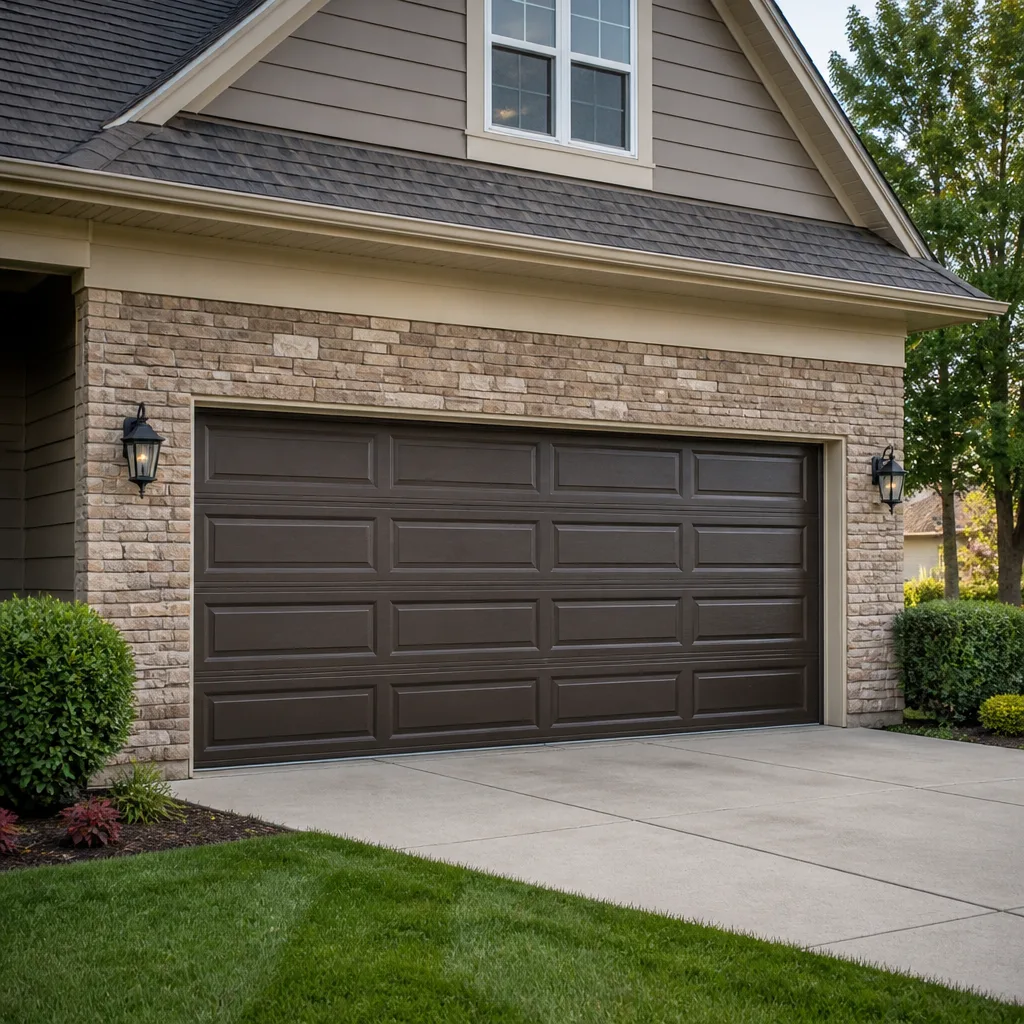 Raised-panel steel
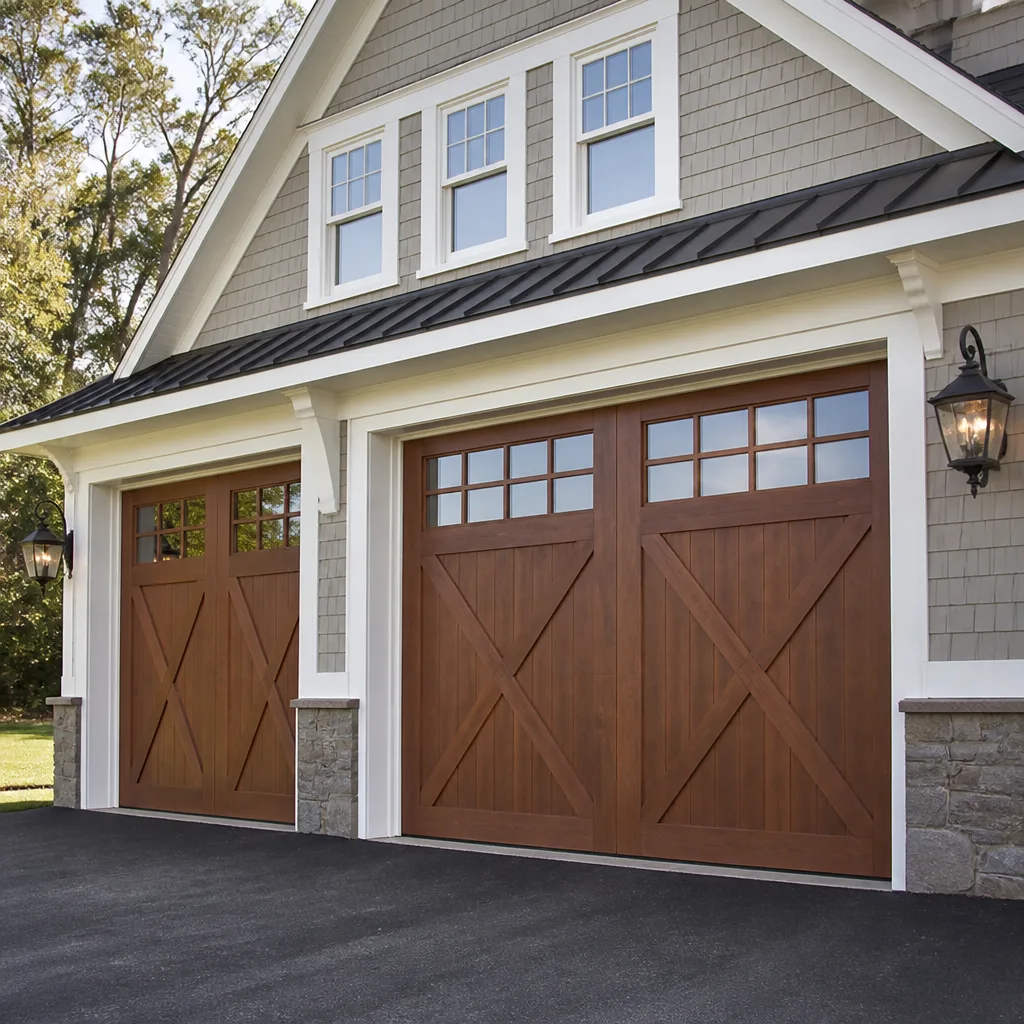 Carriage house
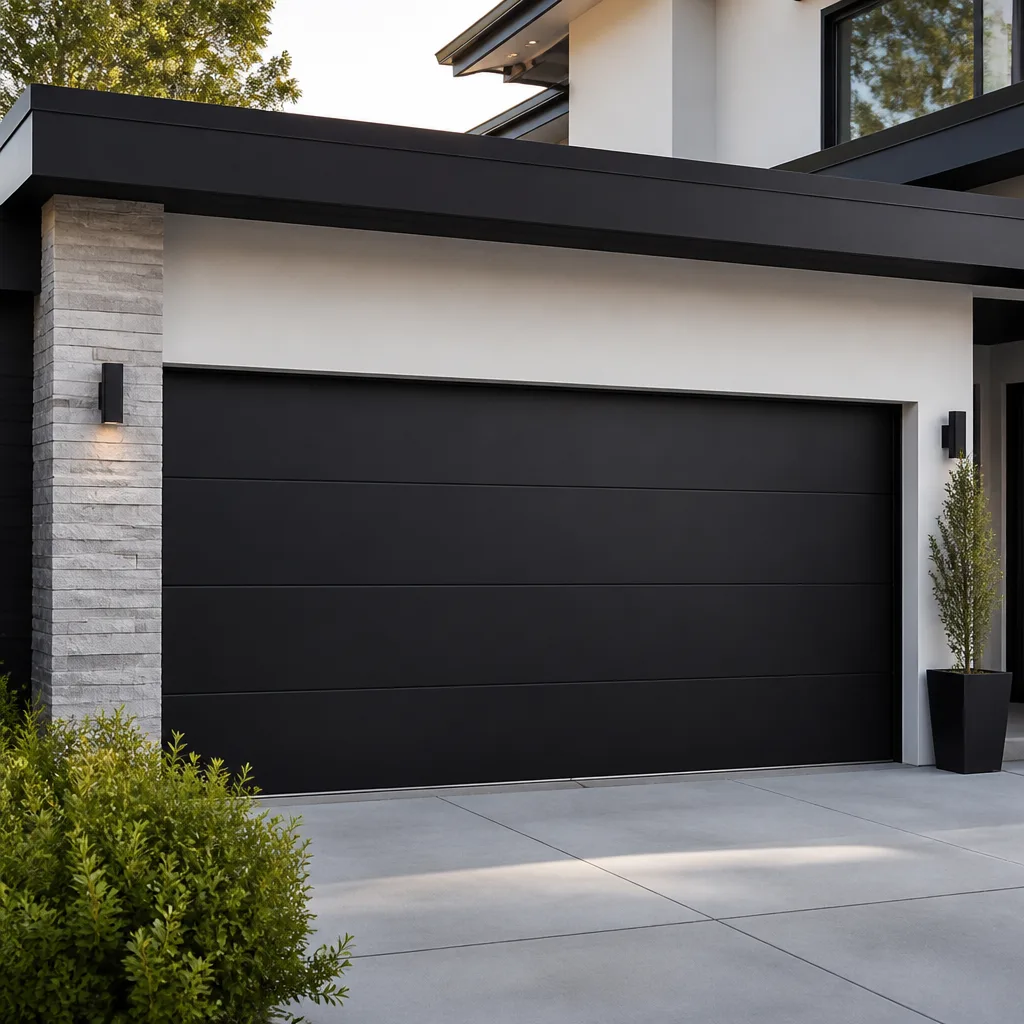 Modern flush
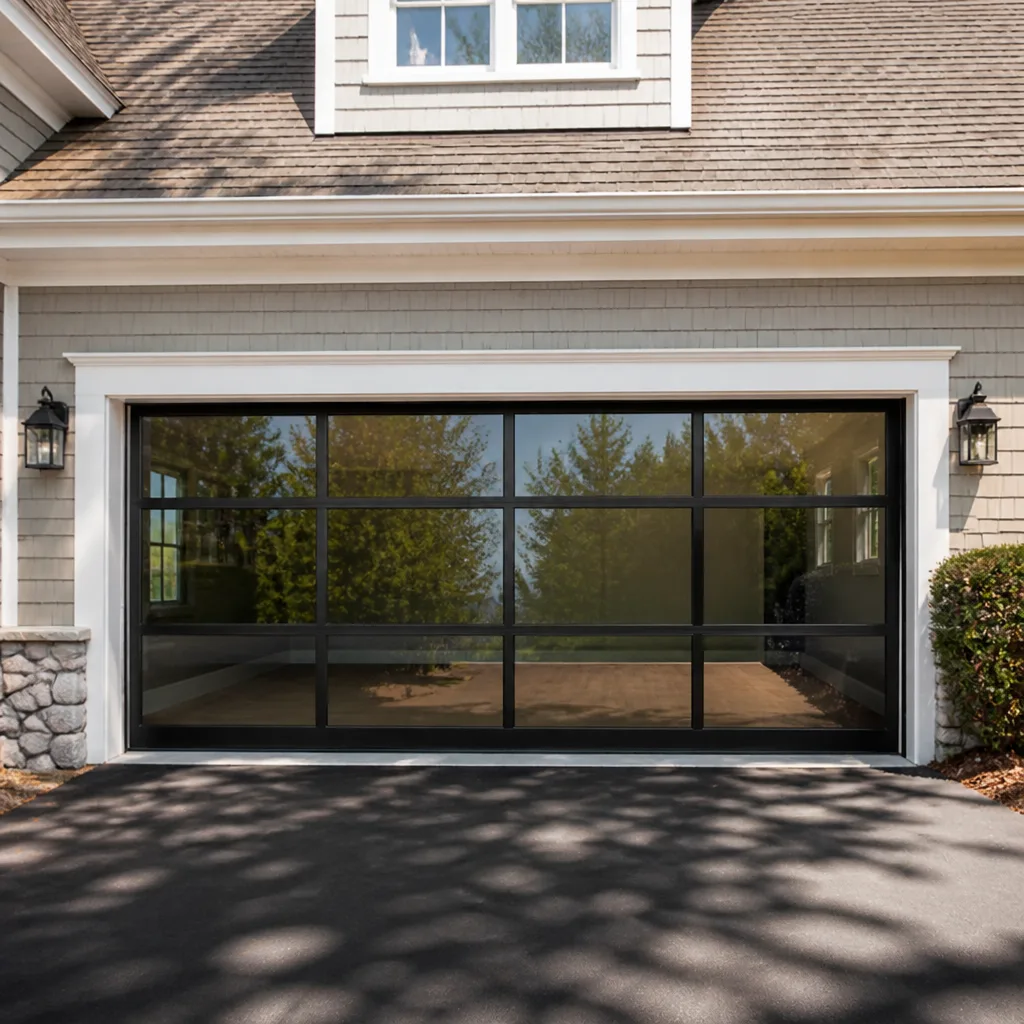 Full-view glass
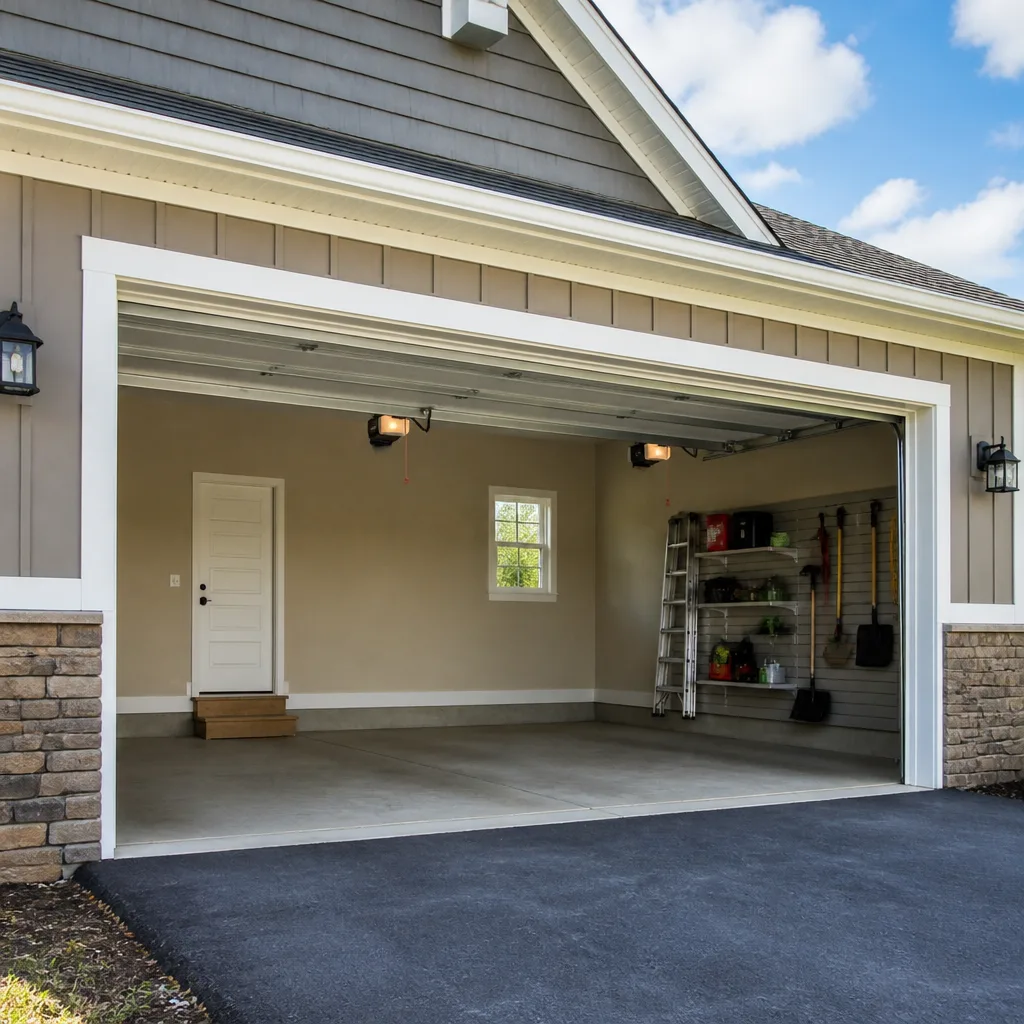 LiftMaster openers
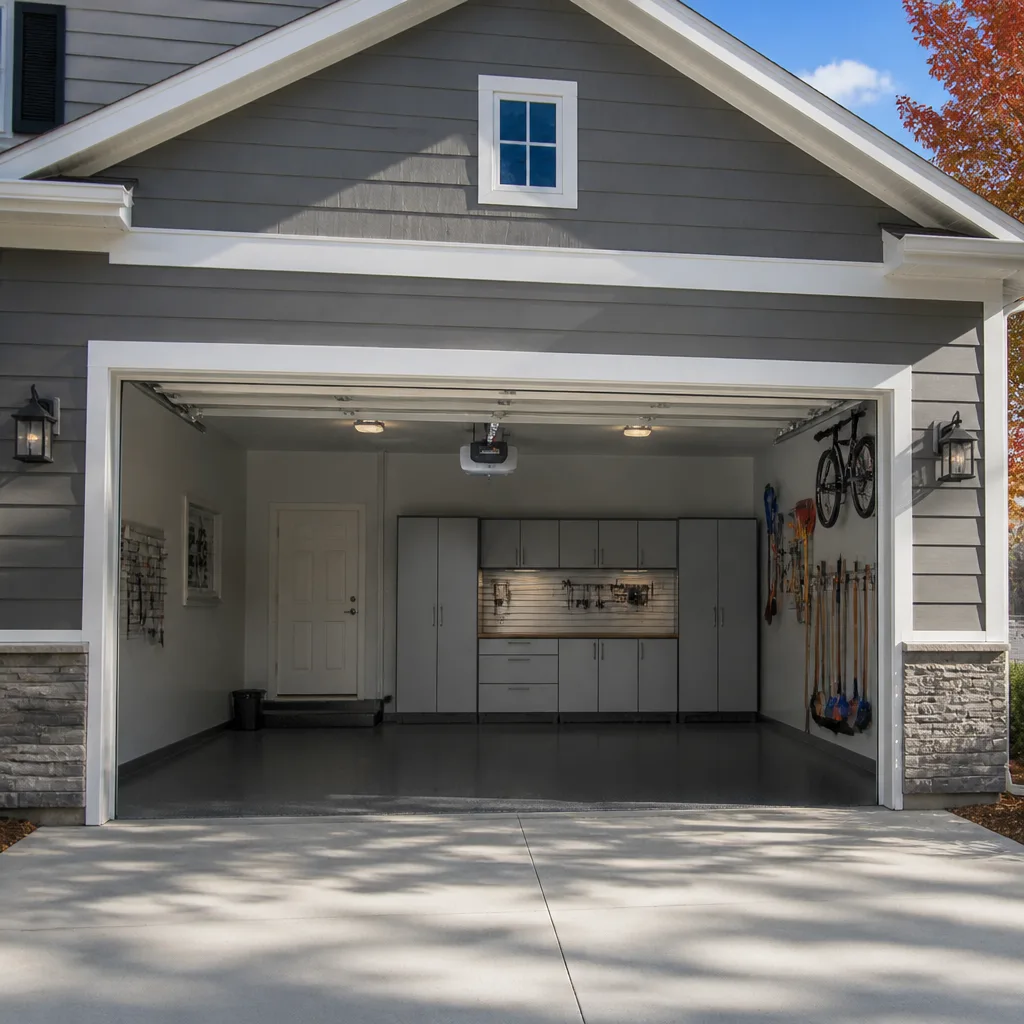 Chamberlain openers
Full 25-point door and opener safety check with every visit - springs, cables, rollers, tracks, and your LiftMaster or Chamberlain opener included
You get a price before we start. It does not change when the pro arrives.
Get your free estimateDIY vs Professional Garage Door: The Lehigh Acres Homeowner’s Decision Guide
Most homeowners frame the DIY-or-call-someone question as a test of nerve. If you’re handy, goes the thinking, you handle it yourself; if you’re not, you pay for help. That framing misses what actually matters. Garage door work splits cleanly into two groups: tasks where a careful homeowner saves real money, and tasks where the stored energy, the weight, or the alignment risk changes the math so completely that no amount of confidence makes DIY a good decision. This guide draws that line task by task, with the physics behind it, the Florida-specific product choices that trip people up, and an honest cost comparison. We’ll also show where homeowner upkeep genuinely extends the life of the equipment. Lehigh Acres homeowners deal with heat and humidity most of the year, and that changes a few of the answers.
Quick Answer
For routine maintenance like lubrication, visual inspection, and tidying alignment, DIY is a sensible way to protect your door and save money. For spring replacement, cable work, torsion hardware, and opener electrical troubleshooting, the injury risk and the cost of a failed attempt make professional service the safer and usually cheaper route in Lehigh Acres. The line isn’t about skill. It’s about which jobs can hurt you or wreck the assembly if they go wrong.
Styles & brands we work with
- Raised-panel steel
- Carriage house
- Modern flush
- Full-view glass
- LiftMaster openers
- Chamberlain openers
Table of Contents
- The Task-by-Task Breakdown
- Why Spring Work Is Different: The Physics in Plain Terms
- Florida Heat and Your DIY Product Choices
- The Real Cost Comparison, Task by Task
- Where DIY Maintenance Genuinely Pays Off
- Opener Troubleshooting: What You Can Check and What You Shouldn’t
- Common Mistakes to Avoid
- When to Call a Professional
The Task-by-Task Breakdown
Start here. This is the list most guides refuse to give you because a blanket “always call a pro” is easier to write. We’d rather you know exactly where the sensible dividing line sits, because a homeowner who does the safe upkeep correctly gets more years out of a door before it needs professional help.
Safe for a careful homeowner
- Lubricating hinges, rollers, and tracks. A dry silicone or lithium spray on the moving parts is low-risk and high-return in a hot climate. Keep the tracks clean and free of grit.
- Visual inspection. Look at springs for gaps or rust streaks, check that cables aren’t frayed, and watch whether the door rises evenly.
- Testing the safety reverse. Place a small object in the door’s path and confirm the opener reverses. This is a check anyone can run safely.
- Replacing the light bulb or the battery in a remote. Basic, harmless, and worth doing before you assume the opener is failing.
- Clearing debris from the tracks and the door’s travel path. Leaves, grit, and stored clutter cause more “stuck door” calls than people expect.
- Tightening a visibly loose bolt on a hinge or bracket (not on a spring or cable anchor). Light snugging of standard hardware is fine. Leave tension-loaded fasteners alone.
Leave to a professional
- Torsion spring replacement. The single most dangerous job on the door. See the physics section below.
- Extension spring replacement. Less dramatic than torsion, but still stored energy under load.
- Cable replacement or adjustment. Cables are under tension and can whip if released wrong.
- Track realignment and panel replacement. Misaligned panels bind, and the door’s full weight can drop.
- Opener electrical work and limit/force adjustments. The door can close on something or someone while you’re setting it.
- Anything requiring you to wind, unwind, or secure a spring. Full stop.
If you bought a home in Lehigh Acres with a door from a brand you don’t recognize, a multi-brand shop removes the guesswork, which is why we handle garage door repair across the major manufacturers rather than a single product line.
Why Spring Work Is Different: The Physics in Plain Terms
A garage door spring stores enough energy to lift a door that weighs well over a hundred pounds, and you’re asking the spring to hold that energy at rest every hour of every day. When you see a technician wind a torsion spring, they are slowly loading all of that energy into a coil by turning a bar a quarter turn at a time with the correct winding rods, then locking it with set screws while the coil is restrained. If the spring slips loose, or a winding rod jumps out of a hole, the coil unloads in milliseconds. There’s no time to react.
Torsion spring replacement is associated with roughly 1,500 emergency room visits annually in the U.S., and the pattern behind those numbers is consistent: people weren’t reckless, they just didn’t have the tooling or the second set of hands a winding job really needs. Extension springs carry a related risk. When one lets go, the door can fall hard, and an uncontained extension spring can travel fast enough to damage a vehicle or a wall. We treat spring work as its own specialty for exactly this reason, and we recommend no homeowner attempt it at any experience level.
The physical warning signs don’t require tools to see:
- A visible gap in the torsion coil, or a spring that looks stretched compared to its neighbors
- Rust streaks or moisture staining along the coil (common in humid Florida air)
- A door that rises a few inches and stops, or feels unusually heavy to lift by hand
- A loud bang from the garage followed by a door that won’t lift
Any of these is a professional call. Our garage door spring repair service is set up around the fact that this is the hazardous part of the trade, and the work is quoted before anything starts. For a door that won’t open at all, we also offer garage door opener repair and emergency service, since a stuck door leaves a home unsecured and a car trapped.
Florida Heat and Your DIY Product Choices
A lot of DIY advice online is written for northern climates, and the products people bring home from a big-box store reflect that. Lehigh Acres sees high temperatures and steady humidity for most of the year, and that combination affects what actually holds up on a garage door.
Lubricants. Heavy grease and standard oil-based lubricants attract dust and grit in dry, hot air, and they can thin out or gum up in the heat. A dry silicone spray or a purpose-made garage door lithium lubricant is the better choice here; it stays where you put it without turning into a dust magnet. Avoid painting the tracks with grease, a common misstep that makes the door travel worse, not better.
Sealants and weatherstripping. Standard weatherstripping that’s rated for cold climates will dry out, crack, and pull away in Florida sun within a single season. Look for UV-resistant or explicitly heat-rated rubber seals. When you’re replacing the bottom seal yourself, choose material that stays flexible in heat, or you’ll be back at it before long.
Paint and finish. If you’re touching up a steel or wood door, use an exterior paint rated for high heat and UV exposure. A finish meant for a mild climate will chalk and fade faster here.
Hardware. Humidity accelerates rust on standard steel hinges and fasteners. Stainless or coated hardware rewards the small extra cost in a Lehigh Acres garage, and it’s an easy swap a homeowner can make safely.
None of this is a pitch for professional service. It’s a note that the DIY advice you find online is often written for a different climate, and matching the product to Florida conditions is where DIY maintenance actually pays off.
The Real Cost Comparison, Task by Task
Cost comparisons online often stack the part price against a service bill, which isn’t an honest comparison. A fair one counts the part, the tools you may need to buy, the value of your time, and the possibility that a failed DIY attempt costs more than the service call would have. Here’s where it actually lands for common jobs.
| Task | DIY reality | Professional reality | Which makes sense |
|---|---|---|---|
| Lubrication & inspection | Spray can cost, 15 minutes | A small service charge | DIY, clearly |
| Safety reverse test | Free, 2 minutes | Included in a service call | DIY |
| Weatherstripping replacement | Low-cost material, moderate effort | Small service fee for the visit | DIY if you’re comfortable on a ladder |
| Torsion spring replacement (one spring) | Part cost plus high injury risk | A middle three-figure service bill, quoted first | Professional, without exception |
| Matched spring pair | Double the parts, double the risk | A bill around twice the single-spring figure, quoted first | Professional |
| Opener replacement (LiftMaster, Chamberlain, Genie) | Unit cost plus wiring and alignment risk | A service bill that includes safe removal and re-hanging | Professional |
| Full door replacement | Not feasible without equipment and crew | Measured, ordered, and installed | Professional |
Pricing for spring and repair work varies by door size, spring type, and the door’s condition, so we quote each job rather than publish fixed numbers. The principle is the same every time: you get a written, agreed price before any work starts, so the invoice you receive matches the estimate you approved. That’s not a detail; it’s the difference between a service call and an unpleasant surprise. If you want a number before committing to the job, a Lehigh Acres Garage Door Repair Co estimate is the practical next step.
Where DIY Maintenance Genuinely Pays Off
Here’s the legitimate case for homeowner upkeep, and it’s more than a token caveat. A garage door that gets regular attention lasts longer, moves more quietly, and needs professional repair less often. In our experience, the doors that arrive in the worst shape aren’t the ones that were never touched; they’re the ones where a homeowner tackled a job above their level and left the door misaligned. Maintenance done correctly is the opposite of that.
What a good routine looks like:
- Lubricate moving parts – hinges, rollers, and tracks – with a dry silicone or lithium spray. Do it a few times a year in Florida’s heat; more often if the door is used daily.
- Inspect springs and cables for rust, gaps, or fraying, and note anything that looks off. Note it in a way you can check against last time.
- Check the door balance by pulling it up partway, releasing it, and watching whether it stays put. If it slams or drops, that’s a professional issue.
- Test the safety reverse with a small object, and confirm the opener reverses on contact.
- Keep the tracks clean and free of grit, and clear any clutter from the door’s travel path.
- Check the seal along the bottom for cracks or gaps that let heat, moisture, and pests in.
Do these consistently and the door will need professional help less often, and when it does, the technician arrives to a step-by-step picture of what’s already been checked. That kind of upkeep is a genuine partner to professional service life, not a replacement for it.
Opener Troubleshooting: What You Can Check and What You Shouldn’t
Openers are where DIY confidence runs highest, because they involve a remote, a wall button, and a light, all of which feel familiar. Some of that territory is safe to explore. The electrical side and the force adjustments are not.
Safe to check yourself:
- Dead remote? Try fresh batteries and a different remote before anything else.
- Wall button not responding? Check the circuit breaker and confirm power to the outlet the opener uses.
- Light stays on or blinks oddly? Compare it against the brand’s manual. LiftMaster, Chamberlain, Genie, and Craftsman openers each have their own blinking-code patterns, and a manual usually tells you what a specific blink sequence means.
- Door reverses immediately on closing? Check for an obstruction in the travel path and make sure the safety sensors aren’t blocked or misaligned before assuming hardware failure.
- Remote in a car (HomeLink or similar) not connecting? These pair differently for each brand and year, and the manual is the source of truth.
Not safe to do yourself: adjusting the force or limit settings, opening the electrical cover, or re-hanging a unit that’s pulled loose from the ceiling. Those settings control how much force the door applies, which is directly tied to whether the safety reverse works. Getting them wrong creates a door that won’t stop on contact. For the electrical side and the deeper diagnosis, our opener repair handles the brand on your wall, whether that’s a LiftMaster, Chamberlain, or Genie unit. If the opener itself is what you need replaced rather than repaired, a fresh installation is measured, ordered, and scheduled rather than done the same day, and you’ll get a written price before anything is ordered.
Common Mistakes to Avoid
- Assuming you can “just replace” a spring. A torsion spring is wound under enormous tension and needs the correct rods and a way to restrain the coil while you work. The most common and most dangerous mistake is treating it like a simple bolt-on part.
- Ignoring a door that lifts unevenly. Uneven travel is often the first sign of a stretched spring, a failing cable, or a track issue, and it’s usually cheaper to fix early than after it fails.
- Buying standard weatherstripping. A seal rated for cold climates will split and pull away in Florida’s heat within a season. Choose UV-resistant or heat-rated material or you’ll redo the job.
- Greasing the tracks. Tracks are meant to stay clean and dry. Grease traps grit and makes door travel worse over time.
- Adjusting the opener’s force setting to force a stuck door to close. That setting governs the safety reverse. Raising it to power through a problem can leave the door closing on something or someone.
- Replacing one spring of a matched pair. A pair is normally replaced together, because a new spring next to an old one loads unevenly and wears both out faster. It also means the bill for a pair is roughly double a single spring, which surprises some homeowners halfway through the job.
- Leaving a door unsecured after a failure. A door that won’t close leaves a home open. That’s the situation our emergency service is designed for, because these failures don’t wait for business hours.
When to Call a Professional
Call us when the door won’t lift or close, when you hear a bang from the garage followed by a door that won’t move, when a spring looks stretched or rusted, when the door rises unevenly, or when the opener behaves in ways the manual can’t explain. Call us the moment an electrical setting, a cable, or a spring is involved, even if you’re otherwise comfortable with tools; the failure cost of those jobs is simply too high to gamble on. For a home where the door blocks the car or leaves the house unsecured, emergency service is a real, named offering and won’t wait for business hours. Lehigh Acres Garage Door Repair Co offers free estimates in Lehigh Acres. Call (855) 923-3538.
See the difference
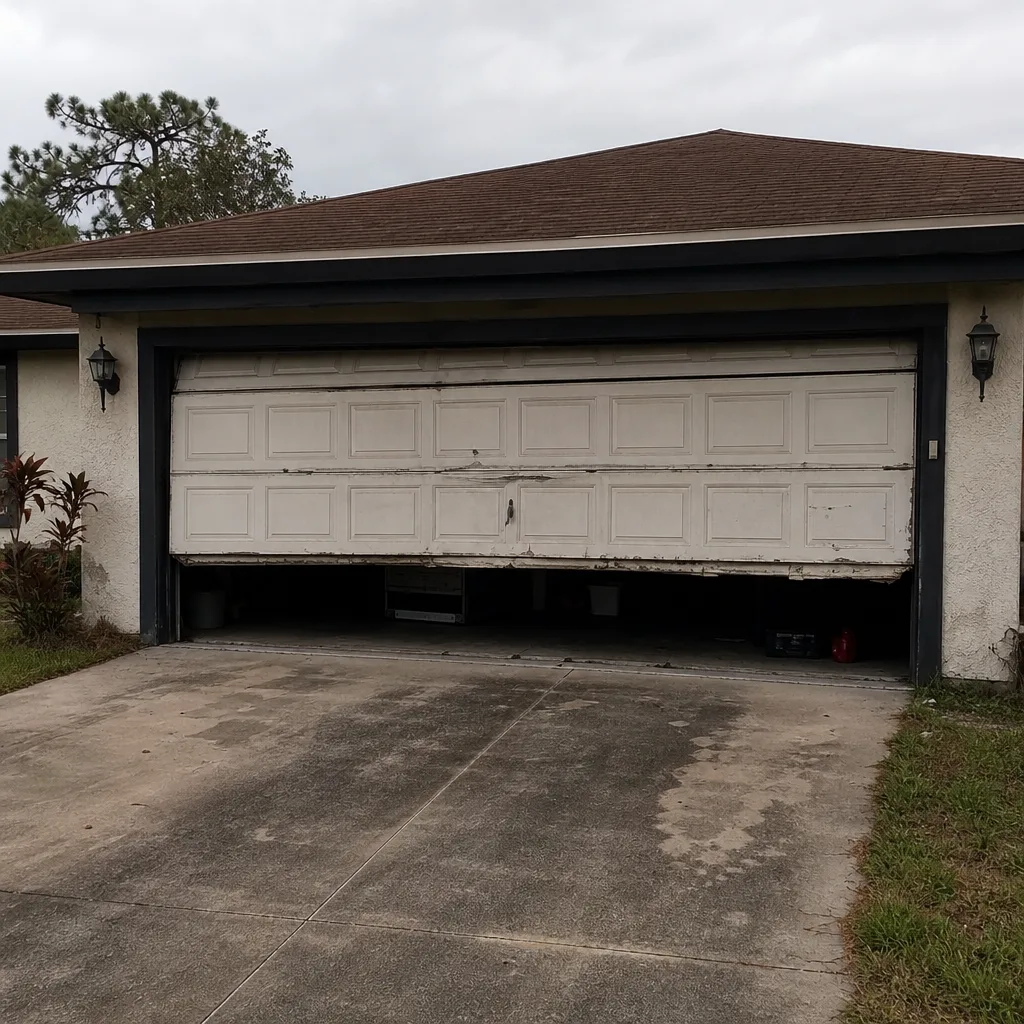 Before
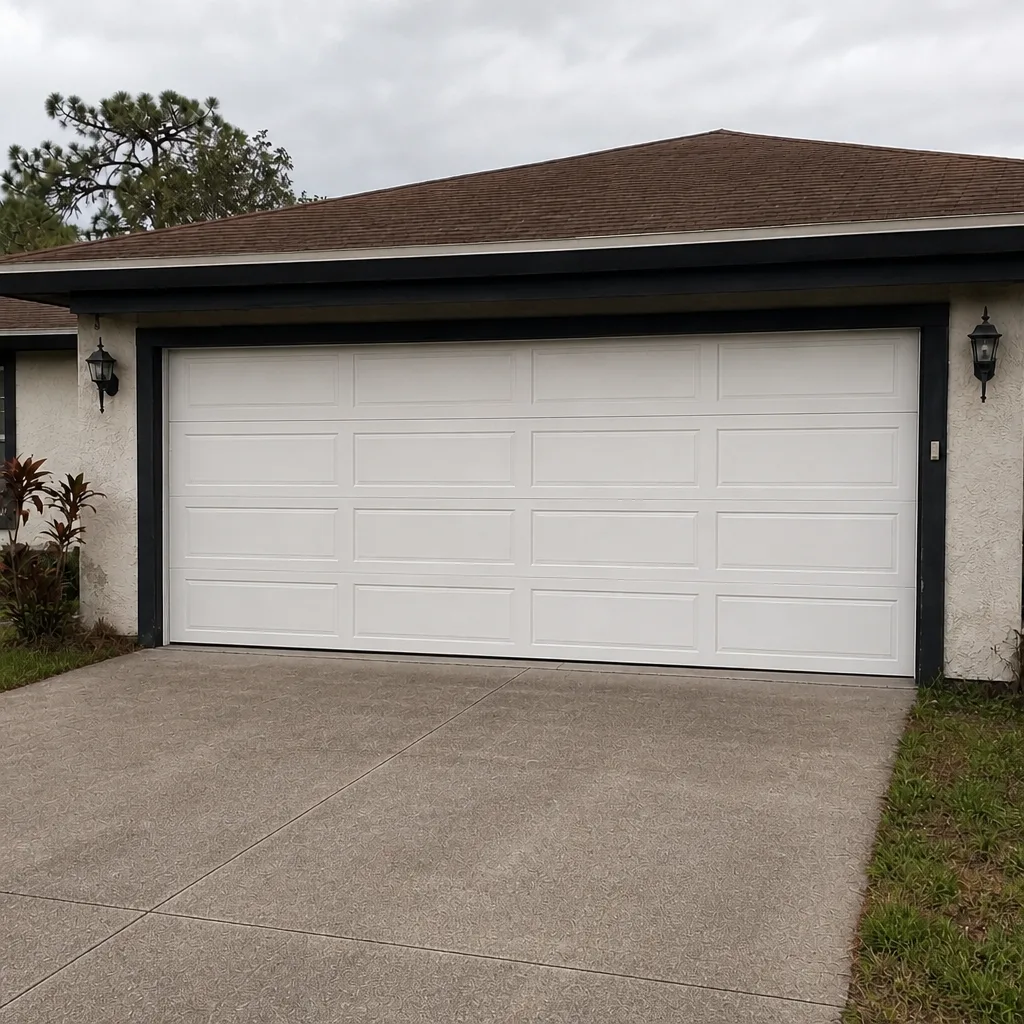 After
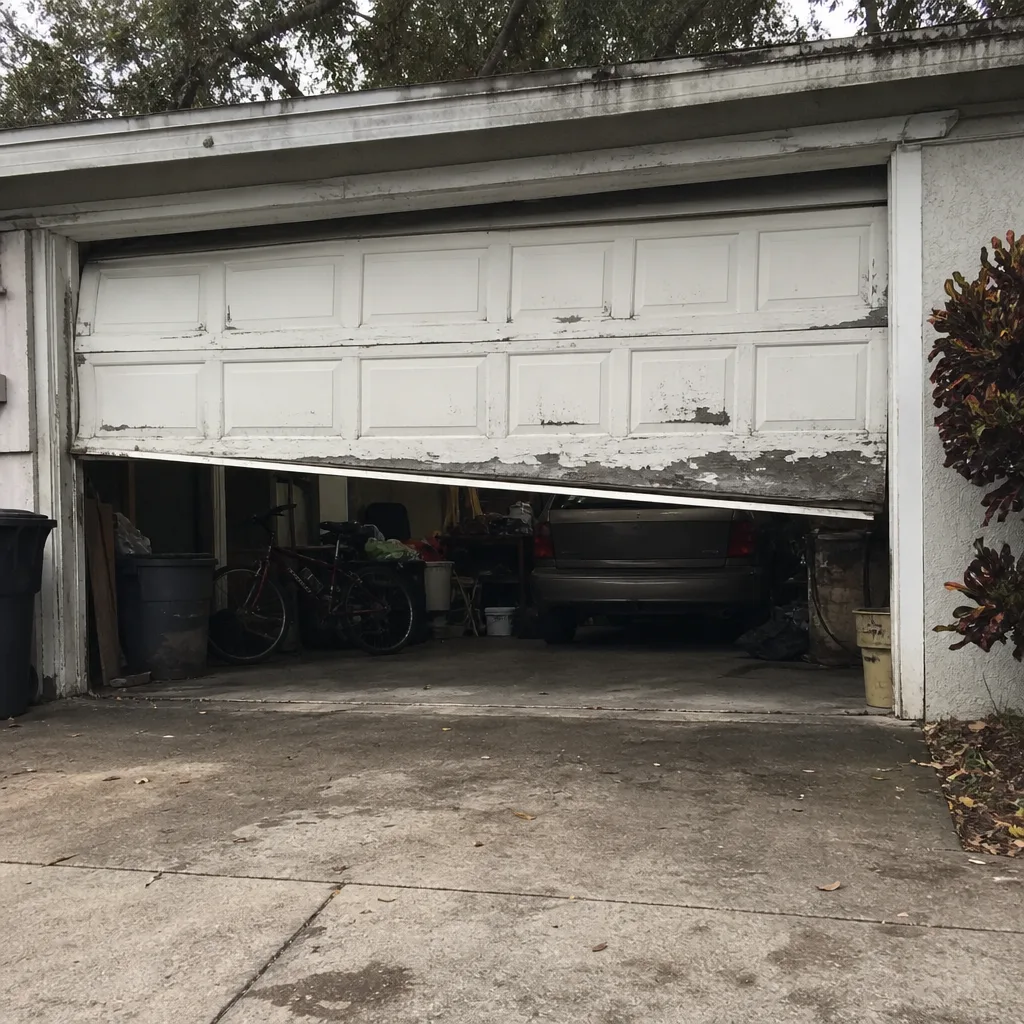 Before
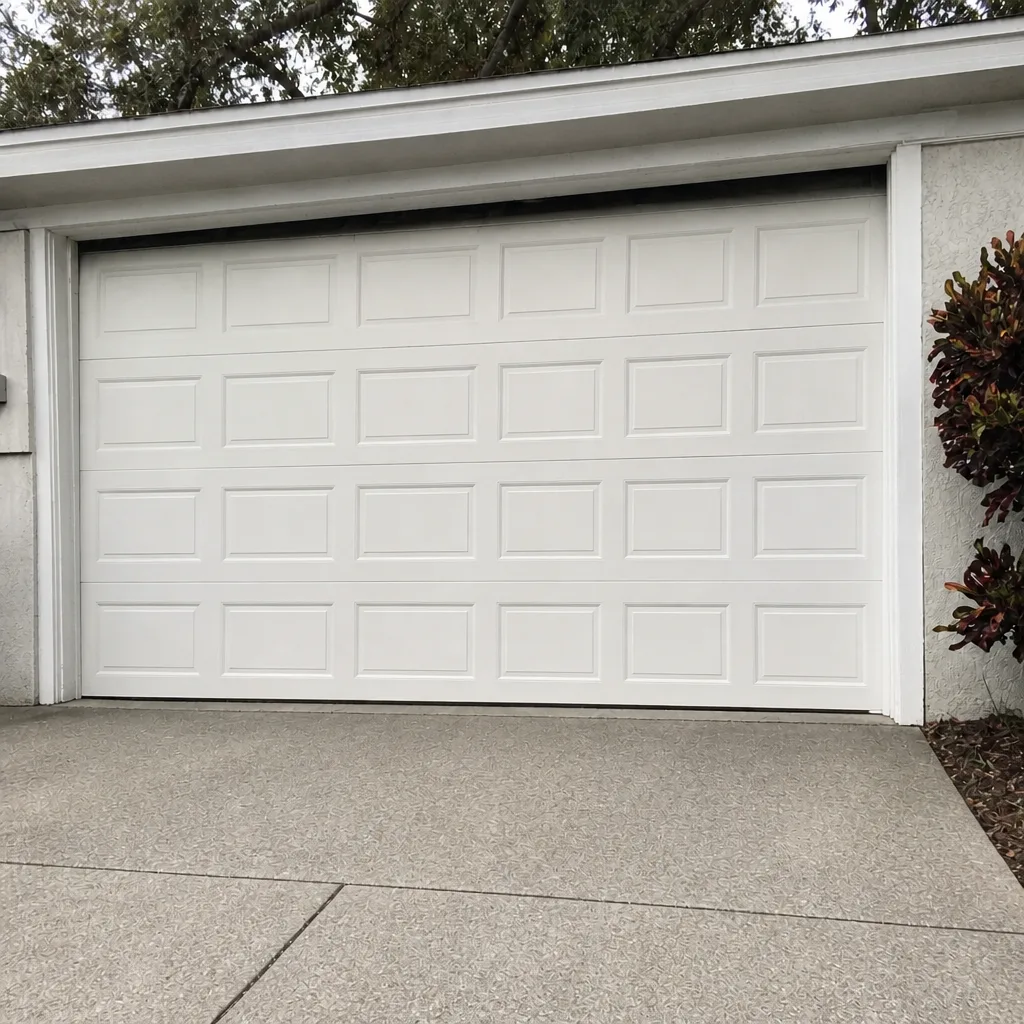 After
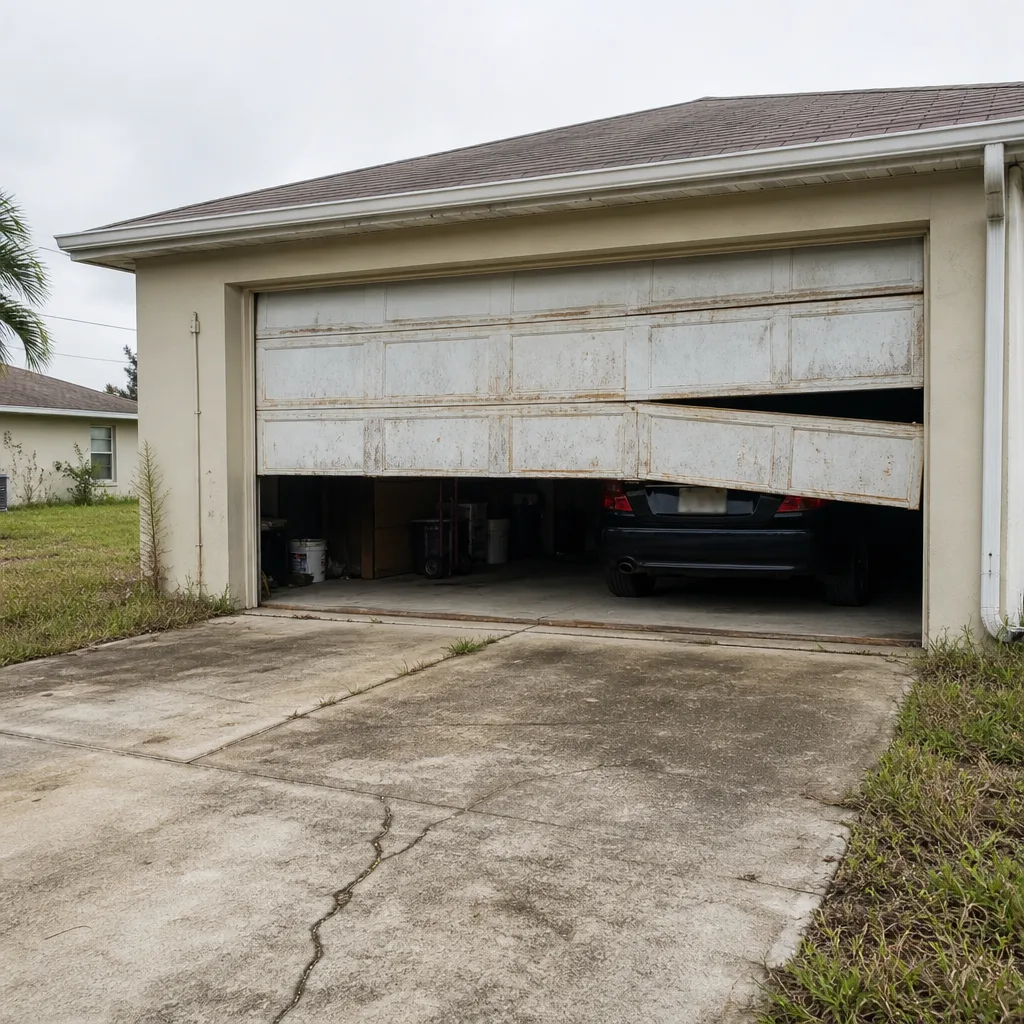 Before
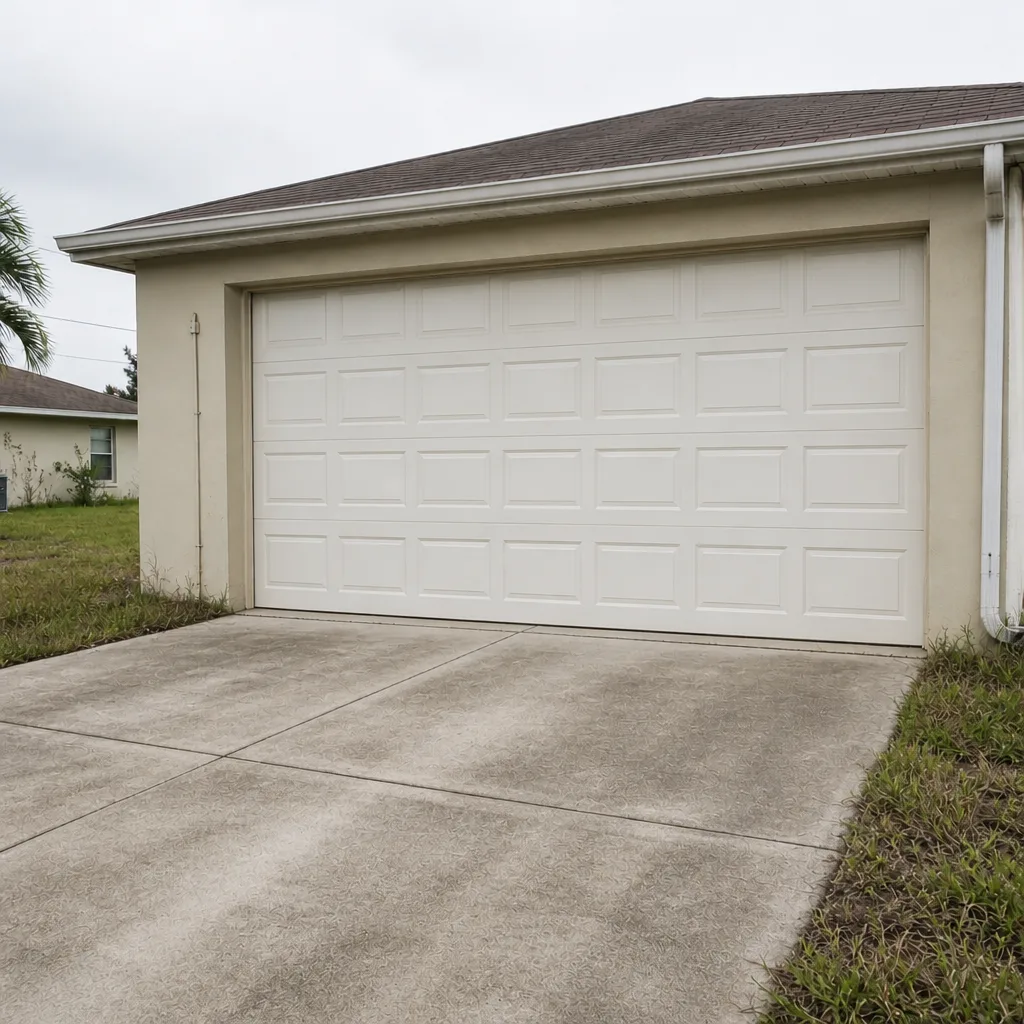 After
Frequently Asked Questions
No, and the risk is the reason. A torsion spring holds enough stored energy to cause serious injury the instant it releases, and a proper replacement needs the right winding rods, a secure way to hold the coil, and two careful hands. Leave spring replacement to a trained technician and treat the surrounding cable and torsion hardware the same way. Call (855) 923-3538 for a free quote and estimates are free.
Maintenance is the homeowner’s territory: lubrication, keeping the tracks clean, testing the safety reverse, checking the door balance, replacing weatherstripping, and swapping remote batteries. Those jobs are low-risk and genuinely extend the door’s life. Anything involving springs, cables, opener force settings, or track realignment belongs to a professional. If you’re unsure which side of the line a job falls on, call (855) 923-3538 and we’ll tell you straight.
Yes, and it matters. Standard grease thins or gums up in the heat and attracts grit, so a dry silicone spray or a purpose-made garage door lithium lubricant lasts better. Cold-climate weatherstripping dries, cracks, and pulls away quickly in Florida sun, so choose a UV-resistant or heat-rated rubber seal instead. The right product costs little more and saves the job. If a seal or a door part is failing faster than it should, call (855) 923-3538.
For maintenance, yes. For spring, cable, and opener electrical work, no. The part cost looks low until you add the tools, the time, and the risk of a failed attempt that leaves the door worse off and needs a professional anyway. A written, agreed estimate before work starts means you know the price up front, with no surprise on the invoice. Call (855) 923-3538 to get an exact quote, free of charge.
It depends on the spring type, door size, and condition, so we quote each job rather than publish a flat number. What we can promise is that you’ll get a written estimate that matches the final bill, and no work starts until you’ve agreed to that price. A matched pair is usually replaced together, which costs more than a single spring. Call (855) 923-3538 for a free estimate.
Often, yes. When a spring fails or an opener dies, same-day service is frequently possible because the goal is to get the door working again, not to replace it. New door installation is a different job: it’s measured, ordered, and scheduled rather than done the same day. For a repair that has your car trapped now, call (855) 923-3538 and we’ll tell you what’s possible.
Not without your agreement. We quote before any work starts, and the written estimate is the price you approve. If we find something on the door that genuinely changes the job, we talk it through with you first rather than adding lines to the invoice afterward. That’s the standard on every service call. Call (855) 923-3538 for a free estimate.
Yes, and that’s on purpose. Our technicians are equipped to service the common brands already on homes, including LiftMaster, Chamberlain, Genie, Clopay, Amarr, Wayne Dalton, Craftsman, and Raynor. That means we work with what’s on your home rather than pressing you toward a preferred product line. Our technicians have up to 12 years of experience across door and opener work. Call (855) 923-3538.
The Bottom Line
The DIY-or-professional question for a garage door comes down to which jobs store enough energy or carry enough weight to change the math. Maintenance, inspection, weatherstripping, and remote battery swaps are safe, sensible, and worth doing yourself. Spring work, cable work, opener force settings, and track realignment are professional territory every time, because a failed attempt costs far more in safety and dollars than the service call would have. Match your products to Florida’s heat, keep up the routine checks, and recognize the signs that mean stop. For those, Lehigh Acres Garage Door Repair Co offers free estimates across repair, spring work, opener service, and full installation. Call (855) 923-3538 for a free estimate, and we’ll quote it before anyone touches the door.
Written by the team at Lehigh Acres Garage Door Repair Co.