Last updated November 21, 2026
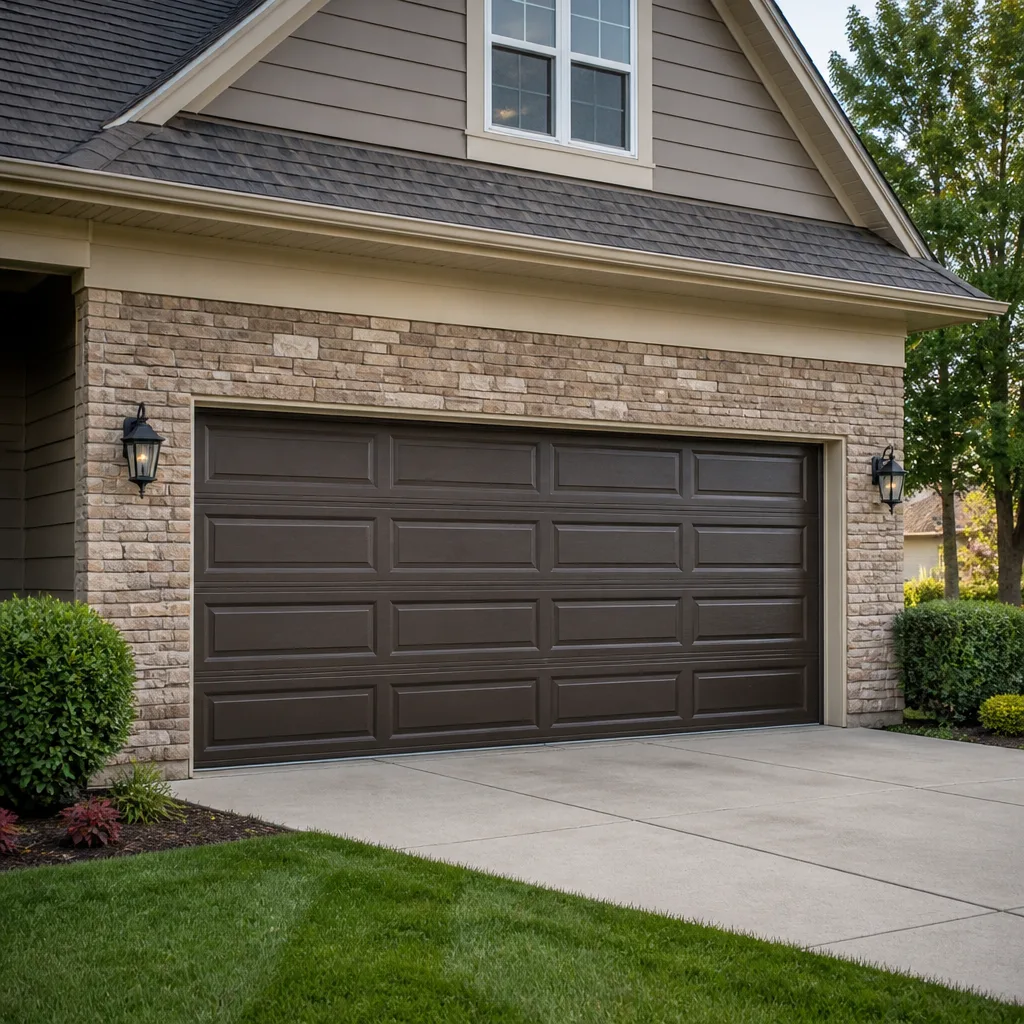 Raised-panel steel
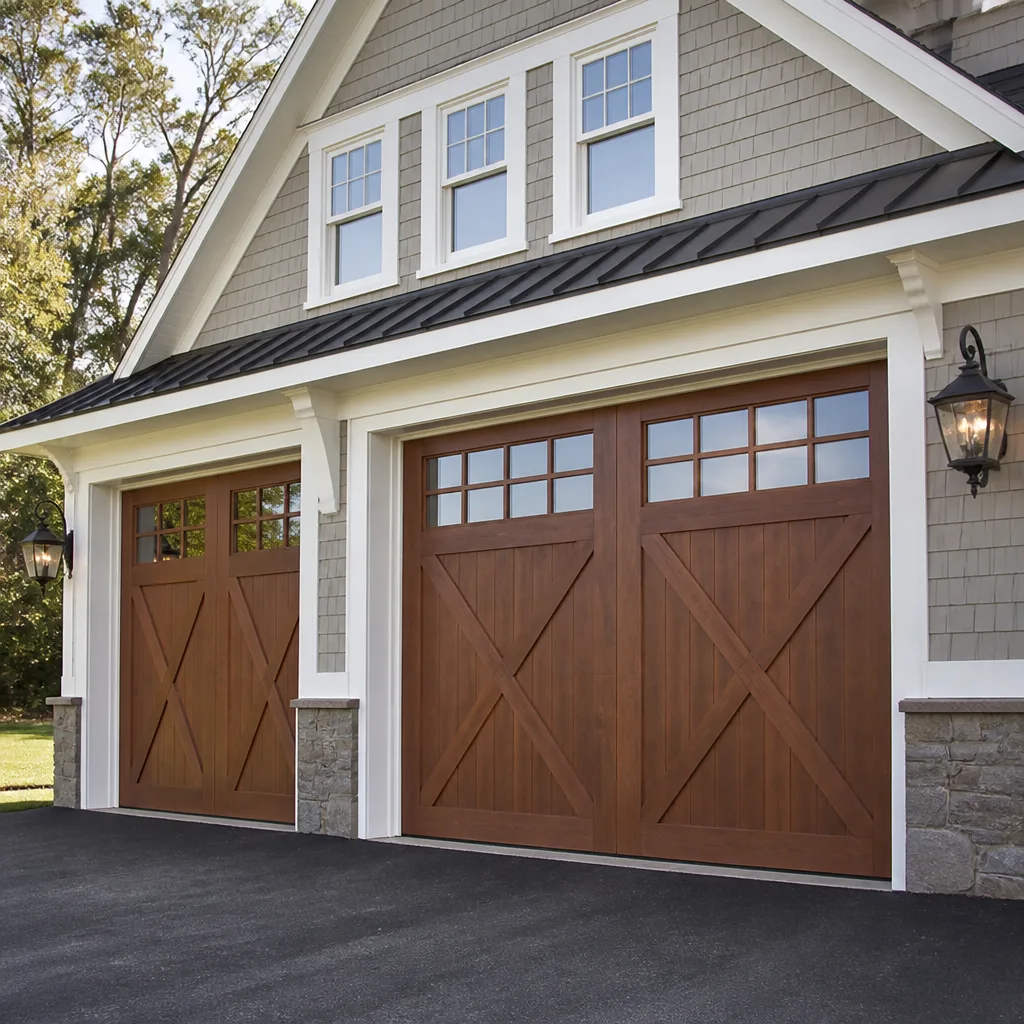 Carriage house
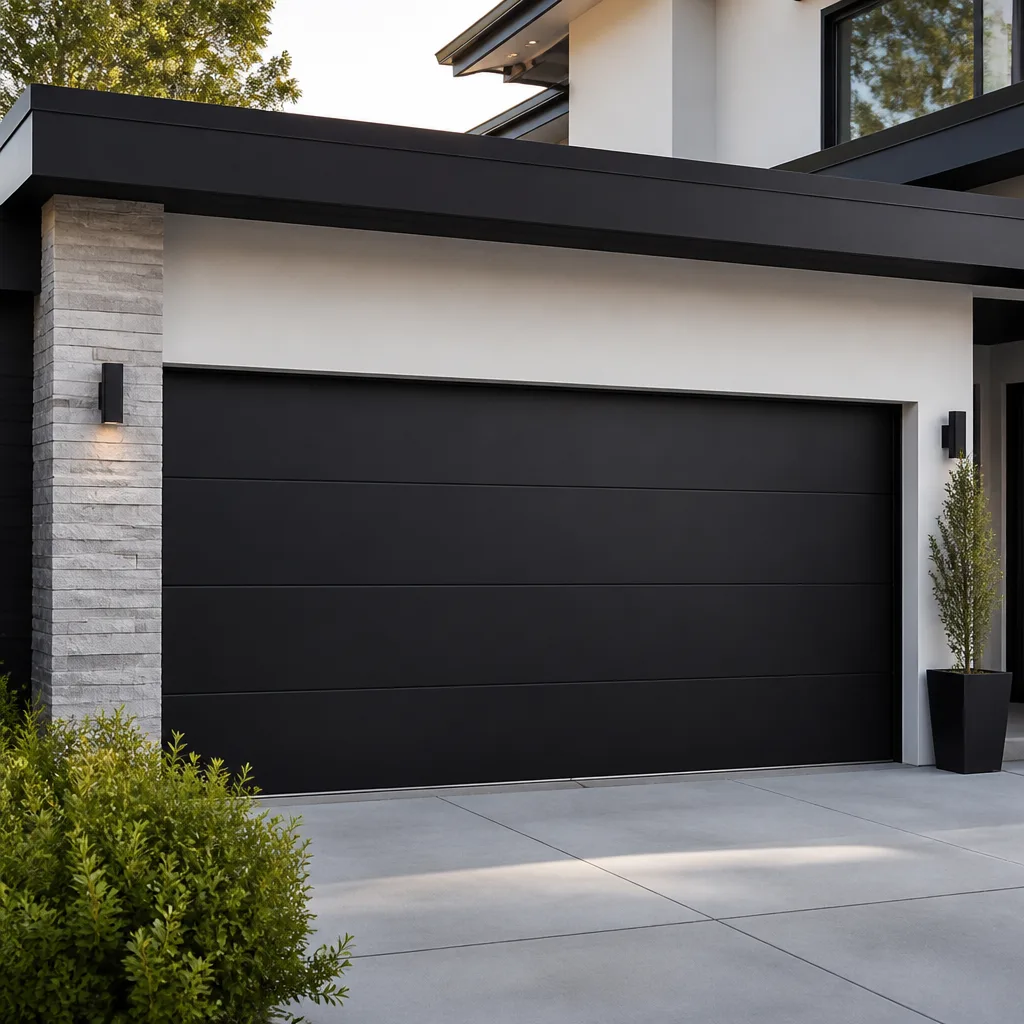 Modern flush
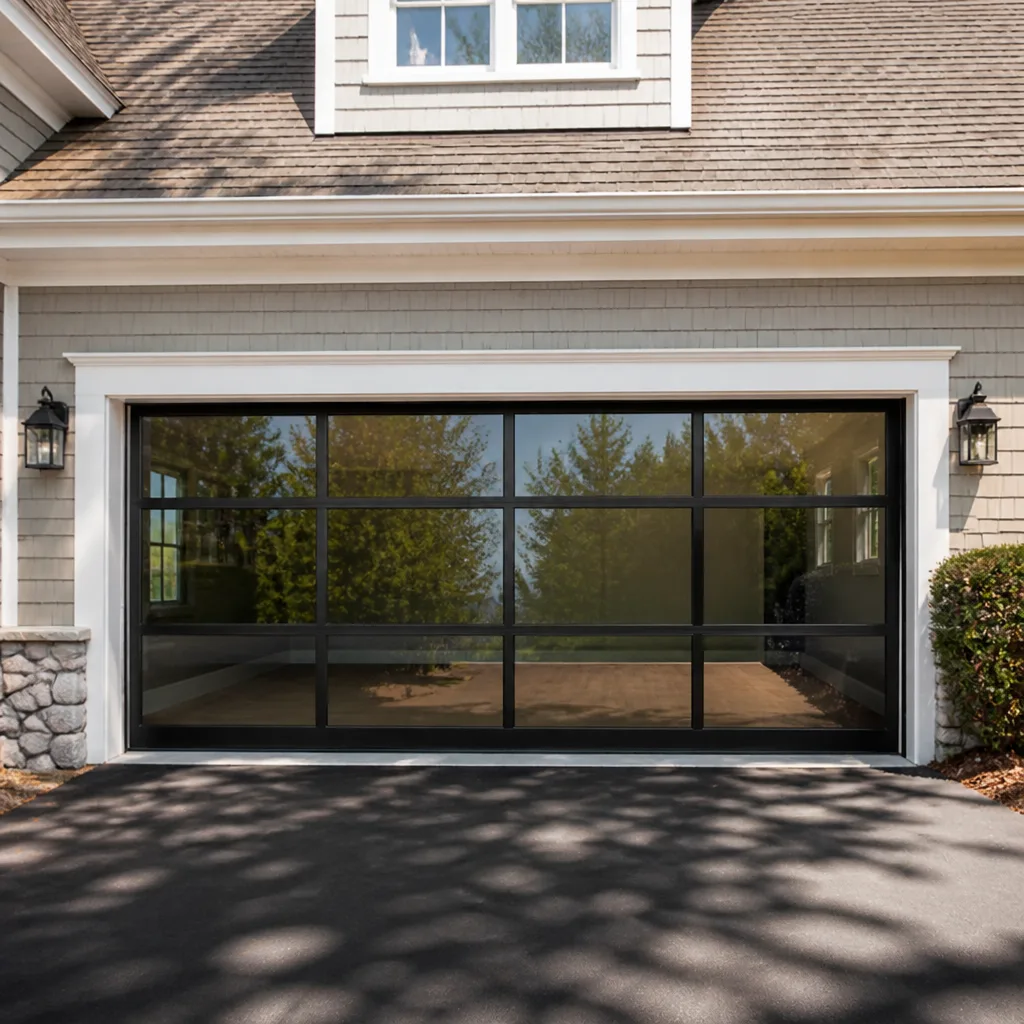 Full-view glass
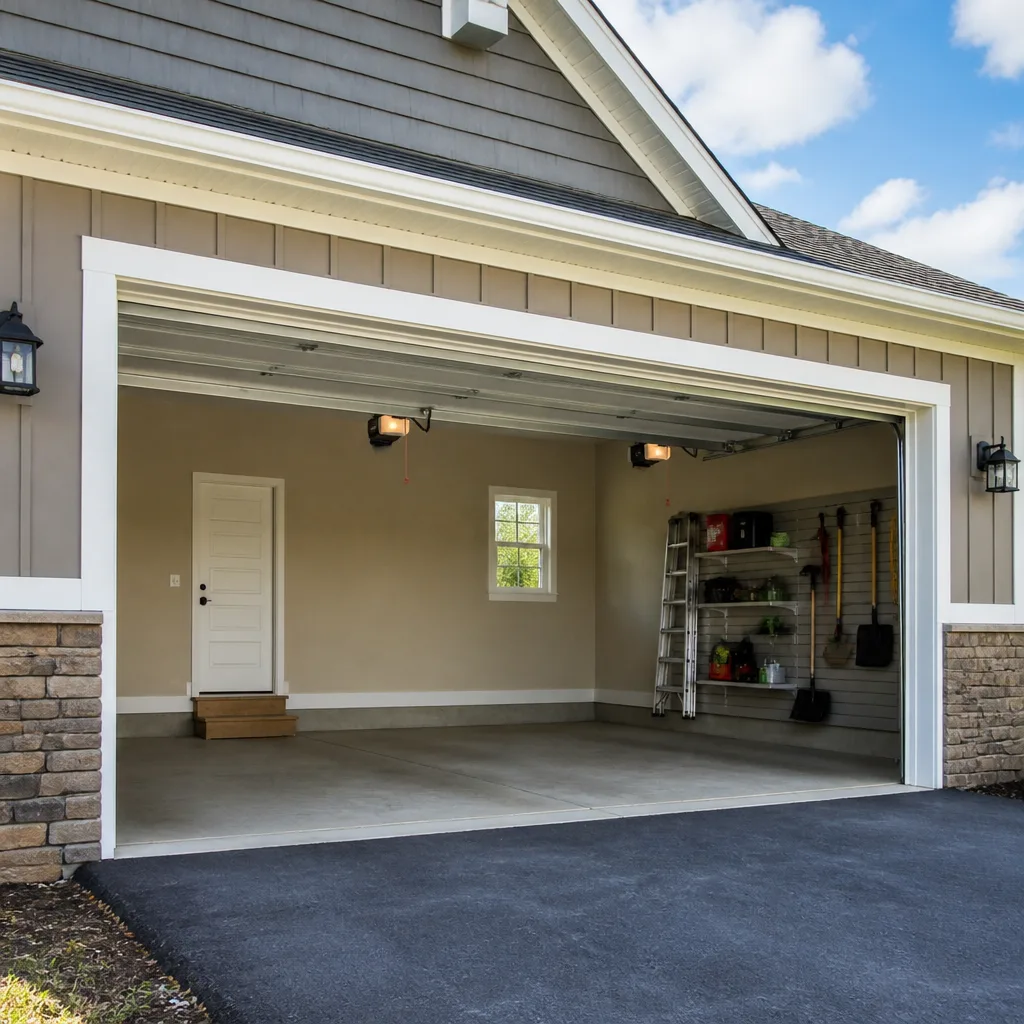 LiftMaster openers
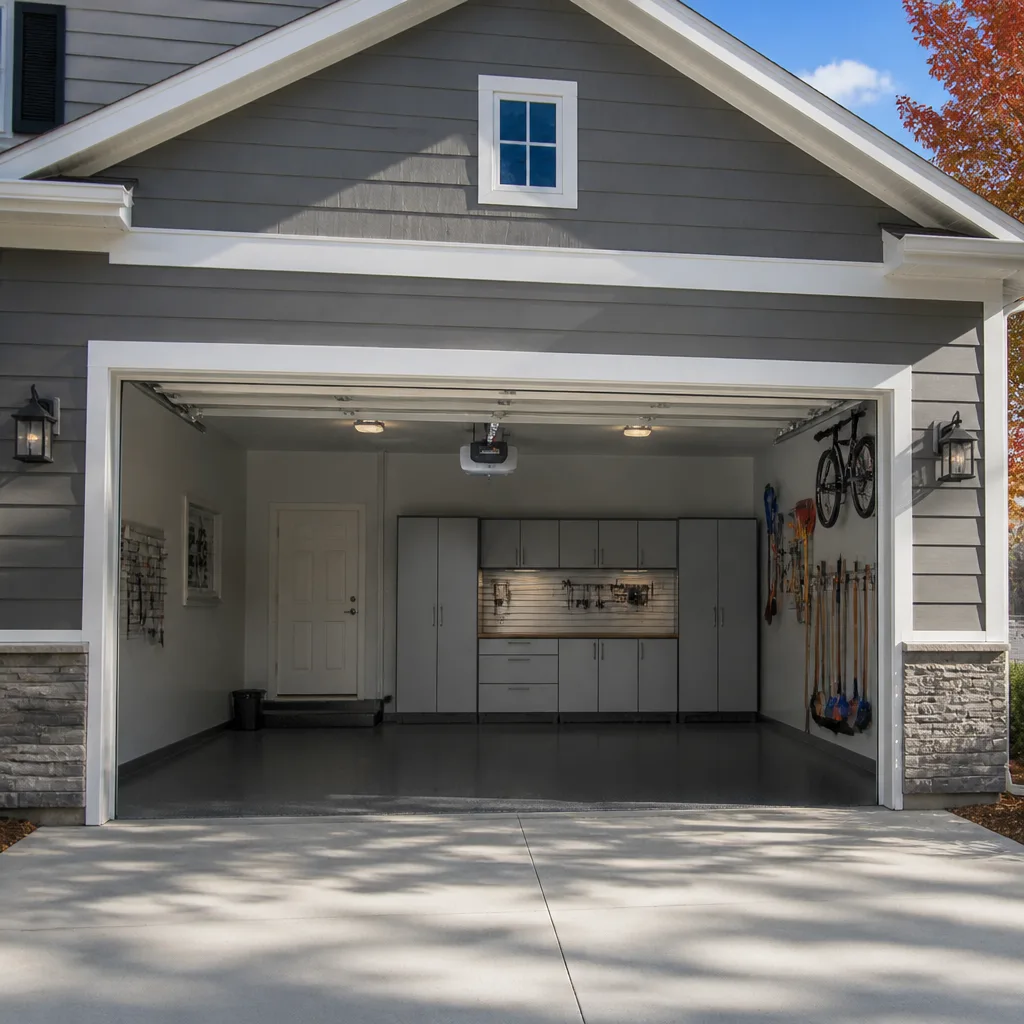 Chamberlain openers
Full 25-point door and opener safety check with every visit - springs, cables, rollers, tracks, and your LiftMaster or Chamberlain opener included
You get a price before we start. It does not change when the pro arrives.
Get your free estimateSeasonal Garage Door Care for Lehigh Acres: Year-Round Homeowner’s Guide
Scheduling garage door maintenance in “fall” and “spring” makes no sense when your November feels like a Boston August and your April is already brutal. Lehigh Acres doesn’t run on four seasons. It runs on two: a wet season that throws heavy rain at your door almost every afternoon from roughly June through October, and a dry season that bakes everything the rain softened and blows grit into every moving part. Your garage door takes the brunt of both, and the maintenance calendar that works in Ohio will have you servicing the wrong parts at the wrong time here. This guide walks you through what to check, tighten, seal, and watch in each stretch of the Lehigh Acres year, so your door stays quiet, aligned, and secure instead of failing on a morning you need to leave.
Quick Answer
In Lehigh Acres, garage door care follows the wet and dry cycle, not the northern seasons. Before the rainy stretch (April and May) you tighten hardware and test the balance, seals, and safety reverse. During the peak storm months (August and September) you check wind resistance, tracks, and cables. In the dry months (November through March) you protect weather seals and paint from UV and watch rollers and opener parts through the humidity swings. Two focused checkups a year cover almost everything a homeowner can safely handle.
Styles & brands we work with
- Raised-panel steel
- Carriage house
- Modern flush
- Full-view glass
- LiftMaster openers
- Chamberlain openers
Table of Contents
- Why Lehigh Acres Needs Its Own Garage Door Calendar
- Pre-Wet Season Checklist: April and May
- Mid-Hurricane Season Checks: August and September
- Post-Storm Inspection: Storm Damage vs. Normal Wear
- Dry Season Care: UV, Paint, and Brittle Rollers
- How the Heat Affects Your Opener Motor and Circuit Board
- The Five-Minute Monthly Walkaround
- When to Bring in a Professional
Why Lehigh Acres Needs Its Own Garage Door Calendar
Most garage door advice you’ll read online was written for a climate with a hard freeze and a dry summer. Neither fits Lehigh Acres. Here, the door lives through months of high humidity and near-daily rain in the wet season, then a dry stretch where afternoon sun pours UV onto the south- and west-facing surfaces and the air dries out enough to change how seals and rollers behave. The material stress comes from moisture and sun, and those two forces show up on different parts of the door at different times of year.
Rain doesn’t just fall on the outside panel. It drives into the bottom seal, sits in the channels of the track, and works its way around hinges and rollers. That moisture, combined with heat, is what accelerates rust on the steel components and loosens what the vibration and torque of daily use have already started to work free. Lehigh Acres homes often have an attached garage that stays warmer than the rest of the house, and that trapped heat adds its own wear to the opener and spring assembly. You’ll read more about that in the opener section below.
Meanwhile, the dry season brings the opposite problem. The wood or composite around the door opening dries and shifts slightly. Caulk and weather seals that swelled in the wet months shrink. Paint takes UV damage that shows up as chalky fading before it becomes a real finish failure. The two-season rhythm is why this guide splits care into a pre-wet checklist, a mid-season check, a post-storm protocol, and a dry-season round.
What “wet season” and “dry season” mean for a door
Wet season is the stretch of late spring through fall when the region sees frequent afternoon storms. Dry season is the cooler, drier stretch from late fall into early spring. You don’t need a precise date for either. You just need to match your biggest maintenance push to the shift in the weather: a thorough tune-up right before the storms become routine, a storm-readiness check in the middle of them, and a protection-focused pass once the rain lets up.
Three tasks that matter in every season
- Balance: lift the door halfway by hand (with the opener disconnected if you’re comfortable) and see whether it stays put. If it drifts or slams, the springs or tension are off.
- Safety reverse: place an object in the door’s path and confirm the door reverses on contact, and test the photo-eye sensors at the base.
- Listen: a door that’s been quiet for months and suddenly grinds, squeaks, or jerks is telling you something changed.
Those three checks catch most emerging problems early, whatever the month. For anything that comes back out of adjustment or sounds wrong after you’ve checked it, our garage door repair team can pin down the cause instead of chasing symptoms.
Pre-Wet Season Checklist: April and May
The right time to prep a Lehigh Acres garage door for the wet season is before the storms become a daily habit, generally April into May. This is the pass where you tighten, seal, and test everything that moisture and constant cycling are about to stress. Do it once, carefully, and the wet season is far less likely to surprise you.
Here’s the order we’d work through it:
- Tighten all visible hardware. Run a screwdriver or wrench over every hinge bolt, roller bracket, and track support you can safely reach. Vibration loosens these over time, and a loose bracket is what lets a roller jump its track during a hard cycle.
- Inspect and clean the bottom seal. The bottom weather seal is your first line against driven rain. Look for cracks, tears, or sections that have pulled away from the door. Clean the threshold and clear any debris that keeps the seal from sitting flat.
- Lubricate rollers, hinges, and the torsion bar. A garage door lubricant (not WD-40) on the moving metal parts cuts friction and helps push moisture out of the joints. Wipe off excess so it doesn’t collect grit.
- Test the balance and the safety reverse. These two tests confirm the door is operating within its designed range before the heavy-use season.
- Check the tracks for alignment. Stand back and look down each vertical track. It should be straight and parallel to the door edge. A slight bend will get worse under storm-season cycling.
- Look at the caulk and trim around the opening. Re-caulk gaps where water could get behind the trim and into the framing.
- Clear the drainage around the door. Make sure water that pools at the threshold during a downpour has somewhere to go rather than sitting against the seal.
If the balance test fails, or you see a spring that looks stretched, rusted, or has visible gaps, stop there. Spring work is the one part of this checklist that isn’t a homeowner job. Torsion and extension springs are under enormous tension, and a spring that lets go while you’re near it can cause serious injury. Our garage door spring repair team handles both types as a dedicated service, and we’ll tell you plainly whether a spring needs replacing or just adjusting.
Mid-Hurricane Season Checks: August and September
By August and September, the Lehigh Acres wet season is at full strength. This is the point in the year to confirm your door’s wind resistance and general storm-readiness without paying for a full inspection. You’re not re-doing the April checklist. You’re verifying that nothing has shifted since, and that the door will hold up under the pressure of a strong storm.
Wind resistance on a garage door comes down to a few things: the door’s rated design, the condition of the tracks and reinforcement, and whether the door is properly balanced and latched. You can check most of that yourself.
How to verify wind resistance at home
- Confirm the door’s rating. Garage doors carry a wind-load rating tied to local building requirements. If you don’t know your door’s rating, check the label on the door or the original paperwork. If you can’t find it, your city’s building department can tell you what’s required for your area, and a professional can confirm what you have.
- Inspect the reinforcement. Doors rated for high wind usually have horizontal or vertical reinforcement struts. Look for bent, loose, or missing struts and tighten or replace as needed.
- Test the latch and lock. A door that isn’t fully latched can be pushed in by wind pressure. Confirm the latch engages cleanly.
- Check track anchors. The brackets that hold the tracks to the wall take the load in a storm. Make sure the bolts are snug and the brackets aren’t bent.
- Look at the panels for deflection. Press gently on the center of a panel. It should feel rigid. A panel that flexes easily suggests weakened reinforcement.
Brands matter less than condition here, but it helps to know what you’re looking at. Whether your door is a Clopay, an Amarr, or a Wayne Dalton, the reinforcement and anchoring work the same way. If your door is older and you’re unsure whether it meets current wind requirements, that’s a question worth asking before a storm rather than after.
Pre-storm routine
- Clear anything loose from the garage floor near the door.
- Confirm the door closes fully and the bottom seal meets the threshold.
- Test the opener’s safety reverse once more.
- Note any new noise, grinding, or uneven travel. Those are the symptoms that get worse under storm-season stress.
Post-Storm Inspection: Storm Damage vs. Normal Wear
After a strong storm passes through Lehigh Acres, a quick inspection tells you whether you’re looking at cosmetic wear or real damage. The trick is knowing what storm damage actually looks like on tracks, cables, and panels, so you don’t mistake a bent track for normal age or ignore a stretched cable because the door still opens.
Storm damage tends to be sudden and geometric. Normal wear is gradual and uniform. Here’s how to tell them apart:
On the tracks
- Storm damage: a bend or kink in one spot, often where the track meets the wall bracket, or tracks that are no longer parallel. Wind pressure and debris cause localized distortion.
- Normal wear: a slight bow over a long section from years of the door riding against it, or surface rust that’s spread evenly.
On the cables
- Storm damage: a cable that’s jumped its drum, sits loose, or shows a sharp kink. This is a stop-and-call situation. A cable under tension that’s come off its drum can snap.
- Normal wear: fraying strands near the drum or along the cable run, which builds up over many cycles.
On the panels
- Storm damage: a dent with sharp edges, a panel pushed out of plane, or a section that no longer lines up with its neighbor.
- Normal wear: scuffs, small dings from lawn equipment, and fading paint.
Debris is the other post-storm factor. Palm fronds, branches, and grit can jam a track or wedge under the bottom seal. Clear those before you run the door. If the door won’t close evenly, runs rough, or you see a kinked cable, don’t force it. That’s the moment to call for help rather than burn out the opener motor trying to push through a mechanical bind.
Dry Season Care: UV, Paint, and Brittle Rollers
Once the wet season winds down, Lehigh Acres shifts into the dry stretch from November through March. This is when the sun does its slow work and the humidity swings from warm days to cooler nights put a different kind of stress on the door. The dry-season pass is about protection: guarding the finishes and the flexible parts that the wet season kept soft.
UV is the quiet problem. It breaks down paint, weather seal rubber, and plastic components over months of daily exposure. A door that faced the afternoon sun all dry season will show chalky, faded paint and seals that have gone from pliable to stiff. Once a seal is brittle, it stops sealing, and the next wet season drives water right past it.
Dry-season tasks
- Wash and inspect the paint. A rinse and a look for fading, chalking, or peeling tells you whether a recoat is due. Fresh paint is UV protection.
- Check the weather seals. Run your hand along the bottom seal and the perimeter seals. If they feel hard or show cracks, plan to replace them before the wet season returns.
- Test the rollers. Rollers that sat through the humidity can stiffen or crack, especially nylon ones. A roller that doesn’t spin freely drags on the track and strains the opener.
- Lubricate again. The dry air doesn’t stop metal-on-metal wear. A light re-lube keeps hinges and rollers moving smoothly.
- Look at the springs. Rust that started in the wet season is easier to spot in the dry months. Surface rust on a torsion spring is worth a look; deep pitting or gaps mean it’s time for a professional to assess it.
Dry season is also the best window for a planned replacement. If your door is old, rusted, or you’ve been putting off a new one, the cooler dry months are calmer for scheduling installation than the middle of storm season. A new door from a maker like Clopay or Amarr comes with fresh seals and a modern finish that handles the UV better than a worn-out panel.
How the Heat Affects Your Opener Motor and Circuit Board
Heat is the quiet killer of garage door openers in Lehigh Acres. An attached garage traps warmth, and through the hot months that trapped heat pushes an opener motor and its circuit board harder than the manufacturer ever intended. Most homeowners never connect the dots between a door that starts acting up in the summer and the temperature inside the garage. But in our experience, heat-related opener problems are a real pattern here.
The motor itself is built to handle heat, but it needs airflow to shed it. When a garage stays hot and closed, the motor runs hotter, and repeated cycles let that heat build up. The circuit board is even more sensitive. Solder joints and capacitors don’t like sustained high temperatures, and a board that’s been cooked all summer is a common reason a door suddenly stops responding, reverses at random, or trips its breaker.
The ventilation fix most homeowners overlook
The overlooked fix is airflow. Many Lehigh Acres garages are sealed tight to keep the cooled air in the house from escaping, which is good for the house and hard on the opener. A simple step is to make sure the garage gets some ventilation, especially during the hottest part of the day. Crack a window or door where it’s safe to do so, use a garage vent, or run a small fan near the opener to keep air moving. It sounds minor, and it makes a measurable difference in how long a motor and board last.
Other heat-related habits
- Don’t cycle the door repeatedly in peak heat. Several back-to-back cycles in a hot garage stack heat into the motor.
- Keep the opener housing clear. Stored boxes and clutter pressed against the opener block the little airflow it has.
- Watch for brand-specific quirks. LiftMaster, Chamberlain, Genie, and Craftsman openers each have their own board layouts and common heat-related failure points. Knowing yours helps a technician diagnose faster.
If your opener has started acting erratically, our garage door opener repair team can check the motor, board, and connections. Sometimes the fix is a component; sometimes it’s simply reducing the heat load. We’ll tell you which.
The Five-Minute Monthly Walkaround
Between the two big seasonal passes, a five-minute monthly walkaround keeps small problems from growing into big ones. This isn’t a replacement for the pre-wet and dry-season checklists. It’s a quick habit that catches changes while they’re still cheap to fix.
- Open and close the door from outside and listen. Grinding, squeaking, or jerking that wasn’t there last month is your signal to look closer.
- Look at the bottom seal. Check for gaps, tears, or debris trapped underneath.
- Check the photo-eye sensors. Wipe them clean and confirm the indicator light is steady, not flickering.
- Test the safety reverse with an object in the path.
- Glance at the tracks and springs. Look for bends, rust, or anything that looks different from last month.
That’s a five-minute habit that fits into a Saturday morning and heads off most emergency calls. If a check turns up something you’re not sure about, capture a photo and get a professional opinion before you keep running the door.
See the difference
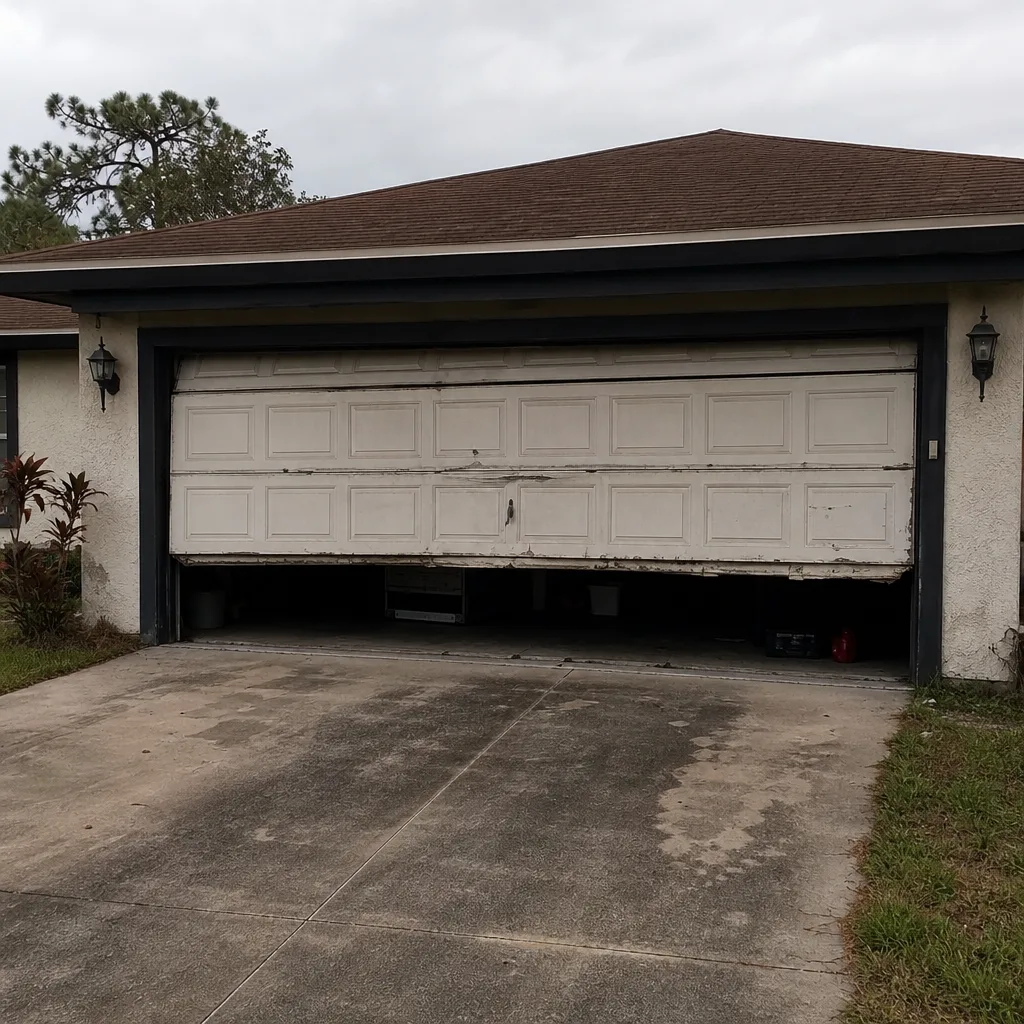 Before
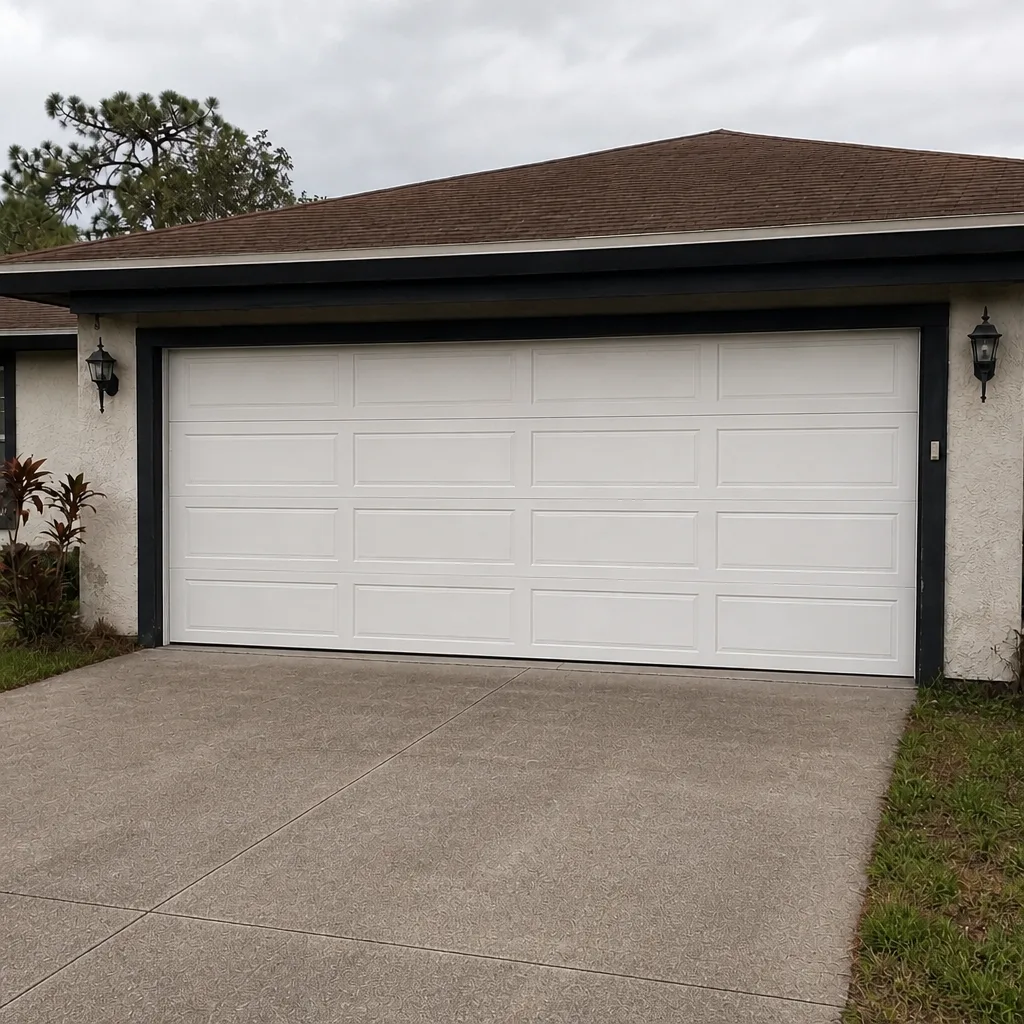 After
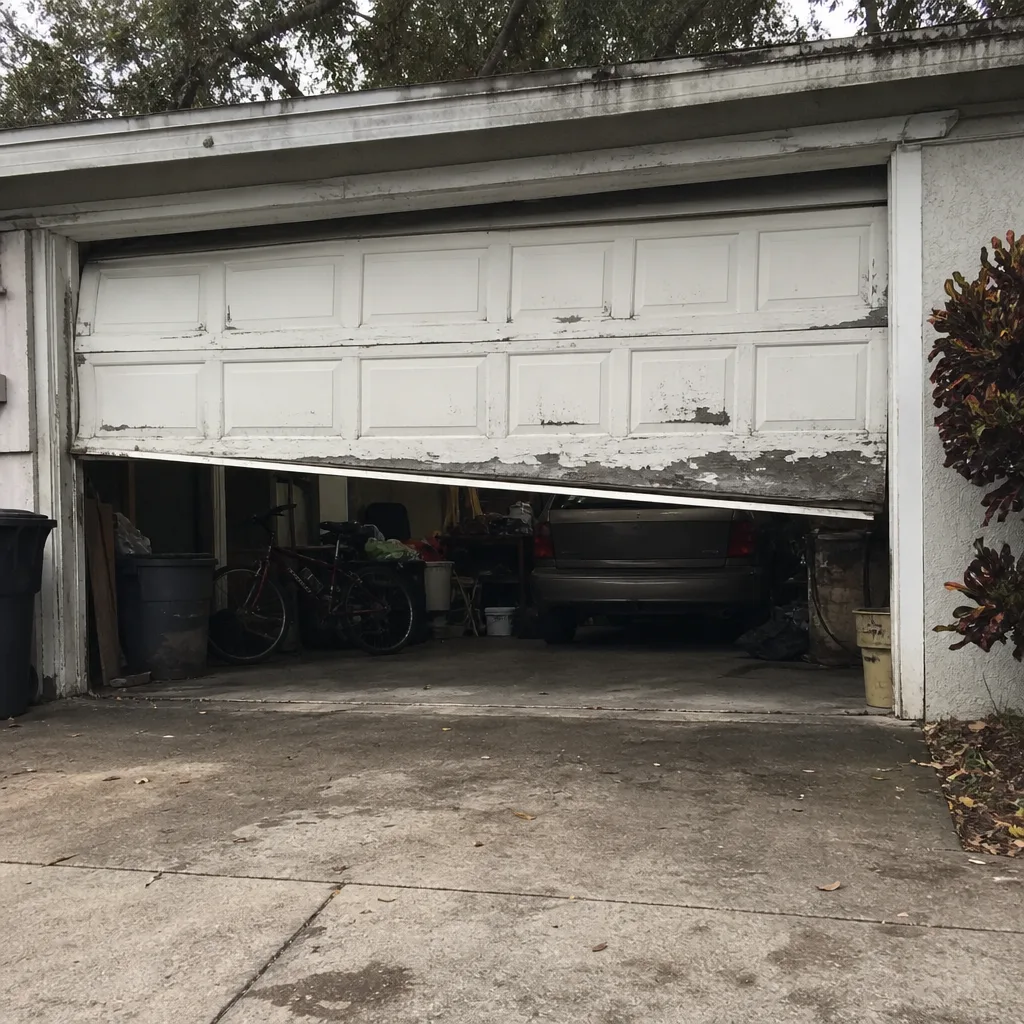 Before
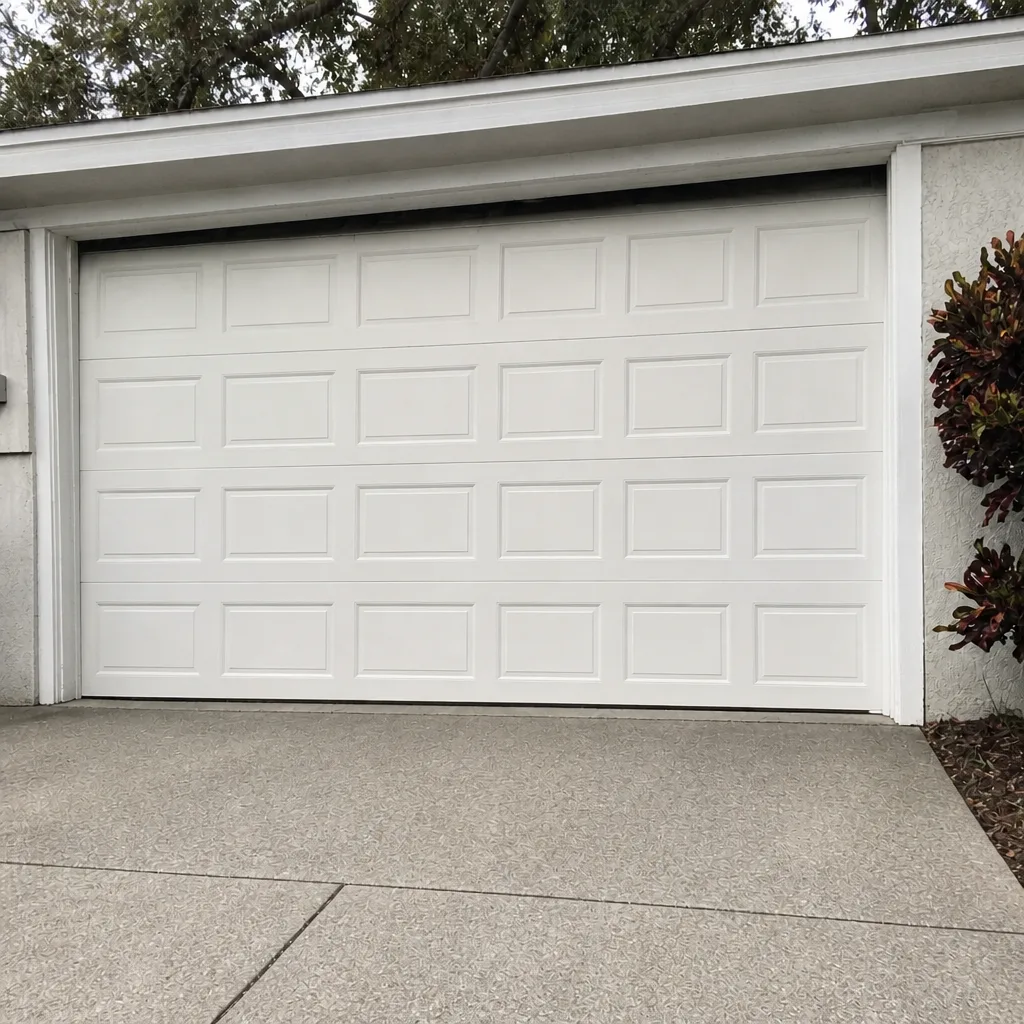 After
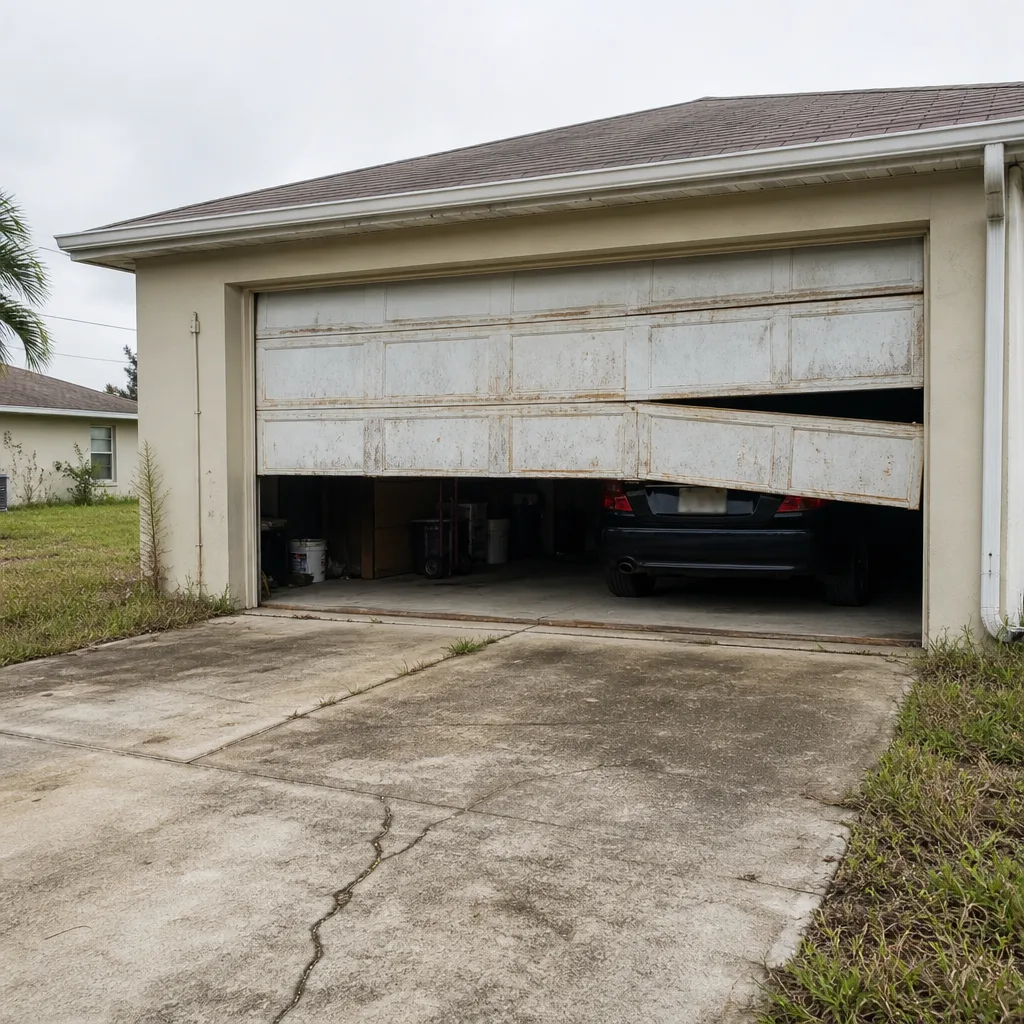 Before
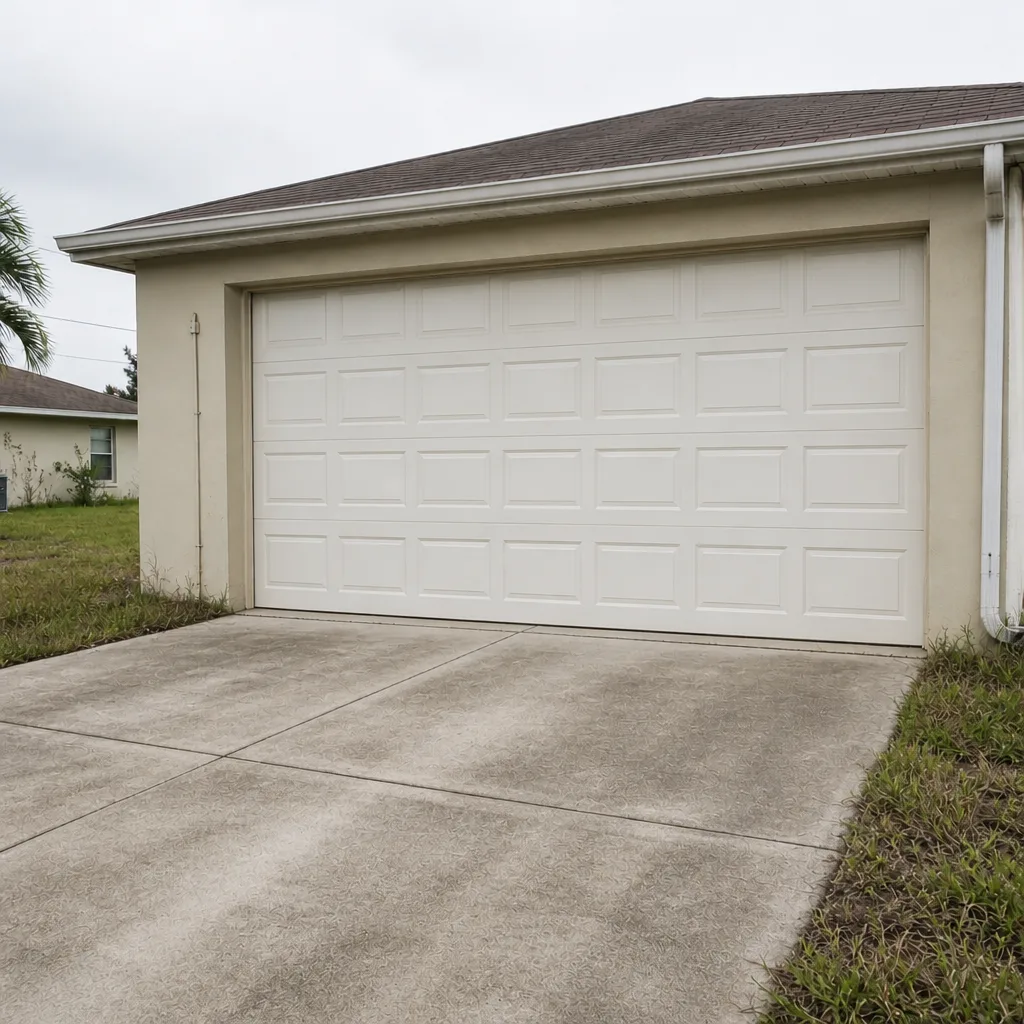 After
Common Mistakes to Avoid
- Following a northern maintenance calendar. Applying fall and spring timing to a Lehigh Acres door means you service the wrong parts at the wrong time and miss the pre-wet-season prep that actually matters here.
- Greasing the tracks. Tracks should stay clean and dry; lubricant on the track collects grit and makes rollers jam. Lubricate the rollers and hinges, not the rail.
- Ignoring a failing balance test. A door that won’t hold position has a spring or tension problem. Running it anyway strains the opener and can lead to a sudden failure.
- Forcing a door that’s jammed after a storm. If debris or a bent track is binding the door, pushing through it burns out the opener and can damage the panels. Clear the obstruction first, or call.
- Letting dry-season seals go brittle. A weathered seal you put off replacing in the dry months will let driven rain straight into the door opening the next wet season.
- Sealing the garage tight and forgetting the opener. Blocking all airflow to keep the house cool cuts the motor’s ability to shed heat, and heat-related opener failures follow.
- Attempting spring work yourself. Springs are the most dangerous part of any garage door. A torsion or extension spring under tension can cause serious injury if it lets go. That work belongs with a trained professional.
When to Call a Professional
Most of the seasonal care in this guide is safe for a homeowner to handle. A few situations call for a professional, and they’re worth recognizing before they get worse.
Call for help if a spring looks stretched, rusted, or has visible gaps; if a cable is loose, kinked, or off its drum; if the door won’t stay balanced or reverses before it should; if the tracks are bent or out of alignment; if the opener grinds, hums, or stops partway; or if storm damage has left the door unable to close or secure the house. Spring work and opener electrical work are the two areas where a do-it-yourself attempt carries real risk. For everything else, a professional can confirm what you’ve found and tell you whether it’s a repair or a replacement.
Lehigh Acres Garage Door Repair Co offers free estimates in Lehigh Acres – call (855) 923-3538. We work on the brand already on your door, whether that’s a Genie opener or a Wayne Dalton door, and we’ll give you a straight answer about what needs doing and what can wait.
Frequently Asked Questions
Twice a year covers it: once in April or May before the wet season and once in the dry season from November through March. A five-minute monthly walkaround between the two big passes catches small changes early. Between those, you only need to call a professional if something looks or sounds wrong.
It wears different parts faster. Northern climates stress a door with freezing and thawing, which this region doesn’t get. Lehigh Acres stresses the door with months of humidity and driving rain in the wet season and months of UV and dry air in the dry season. The result is rust, degraded seals, faded paint, and heat-stressed openers rather than ice damage.
Yes, in part. You can confirm the door’s rated design, inspect the reinforcement struts and track anchors, test the latch, and press on the panels to check rigidity. What you can’t easily confirm is whether the door meets current building requirements for your area. That question belongs with your city’s building department or a professional.
Heat is the usual reason. An attached garage traps warmth, and that raises the temperature on the opener motor and circuit board, which leads to erratic operation, random reversals, or a door that stops responding. Improving airflow in the garage, keeping the opener housing clear, and avoiding repeated back-to-back cycles in peak heat all help. A technician can confirm whether the opener has a heat-related fault.
Storm damage is sudden and localized: a kink in one section of track, a cable that’s jumped its drum, a panel pushed out of plane, or sharp-edged dents. Normal wear is gradual and even: slight bowing over a long section, fraying near the drum, or fading paint. If a cable looks loose or a track is bent in one spot, treat it as damage and stop running the door.
It depends on what failed. Seals, rollers, cables, and springs are all repairable, and they’re replaced or serviced individually. A single bent panel or a misaligned track is a repair. A door that’s rusted through, missing its rated reinforcement, or has multiple failed sections is often better replaced. An in-person look sorts out which you’re facing.
The Bottom Line
Lehigh Acres garage doors live on a two-season schedule: wet and dry. Service the door before the storms start, check wind resistance and hardware through the peak of the wet season, inspect for storm damage after big rain, and protect seals and paint through the dry months. Keep an eye on heat around your opener, and stay current on the five-minute monthly walkaround. Springs, cables, and opener electrical work are the jobs to hand to a professional, because those are the parts where a mistake is dangerous rather than just inconvenient. Match your maintenance to this region’s climate, not a northern calendar, and your door will stay quieter and last longer.
If you’d like a straight answer about your door’s condition before the next season arrives, Lehigh Acres Garage Door Repair Co offers a free estimate. Call (855) 923-3538 and we’ll take a look.
For a full overview of what we handle across the region, start at Lehigh Acres Garage Door Repair Co, and our technicians have up to 12 years of experience on the brands already installed in local homes.
Written by the team at Lehigh Acres Garage Door Repair Co.