Last updated November 21, 2026
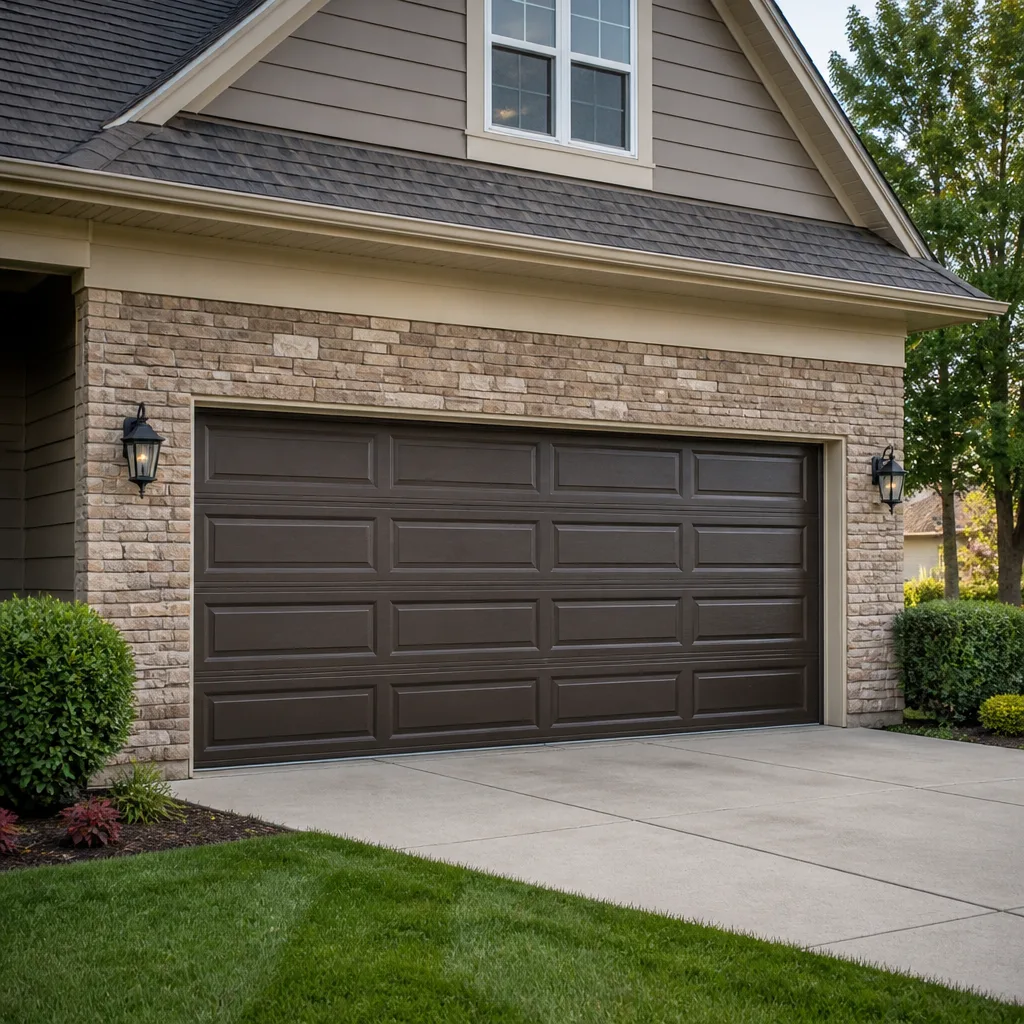 Raised-panel steel
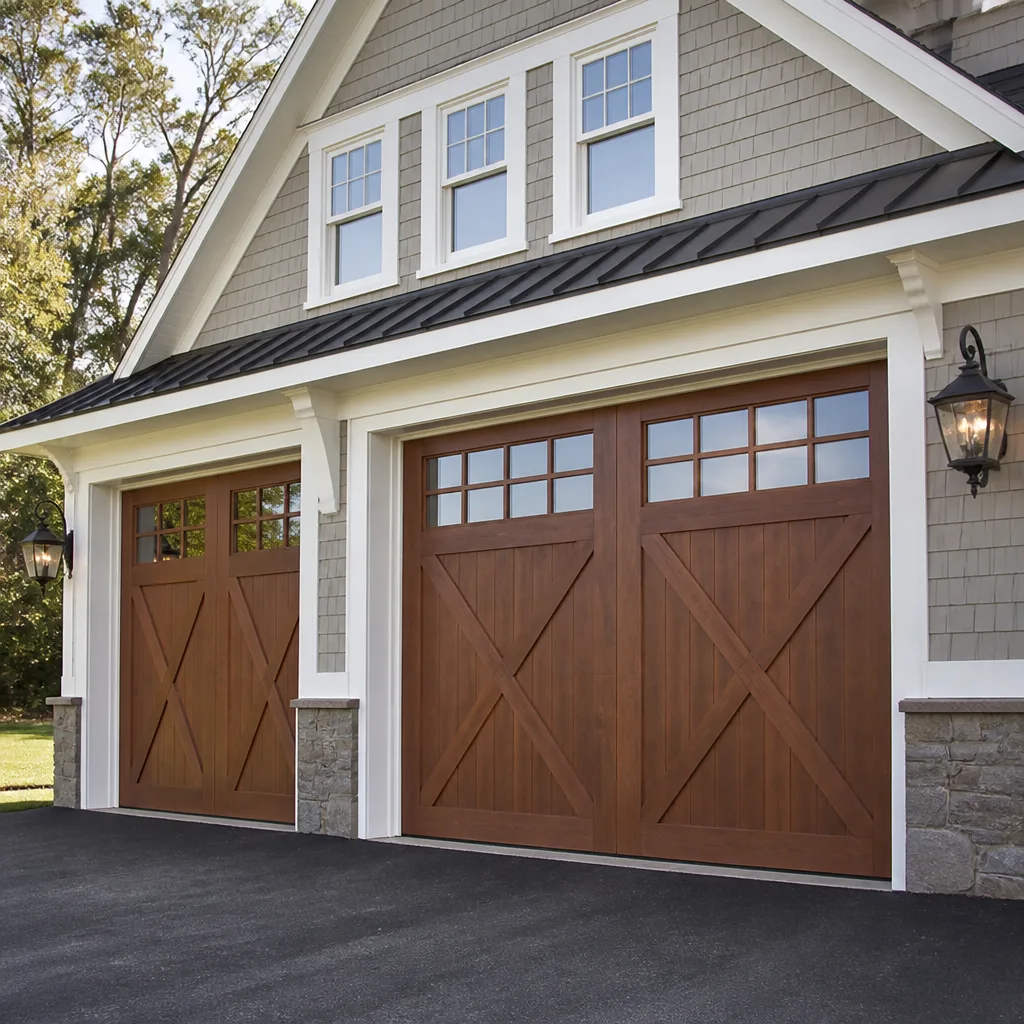 Carriage house
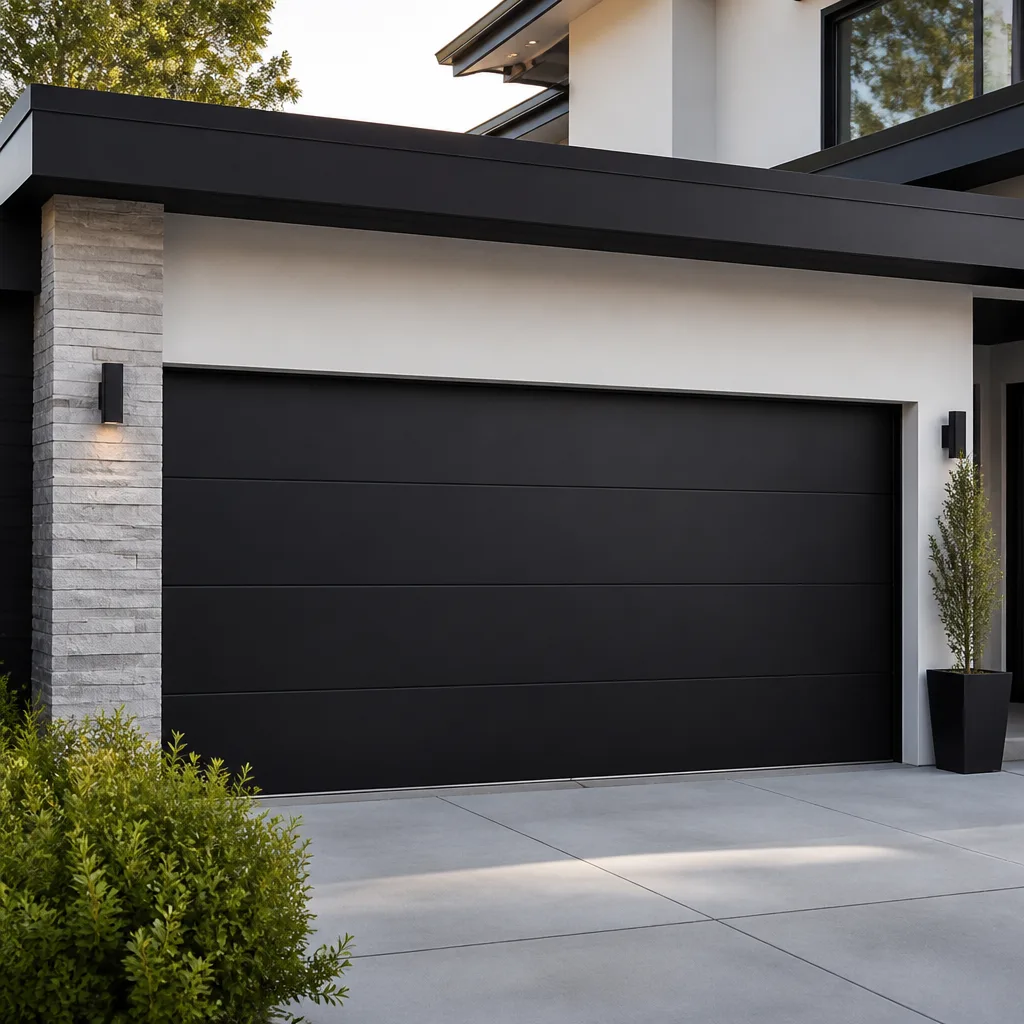 Modern flush
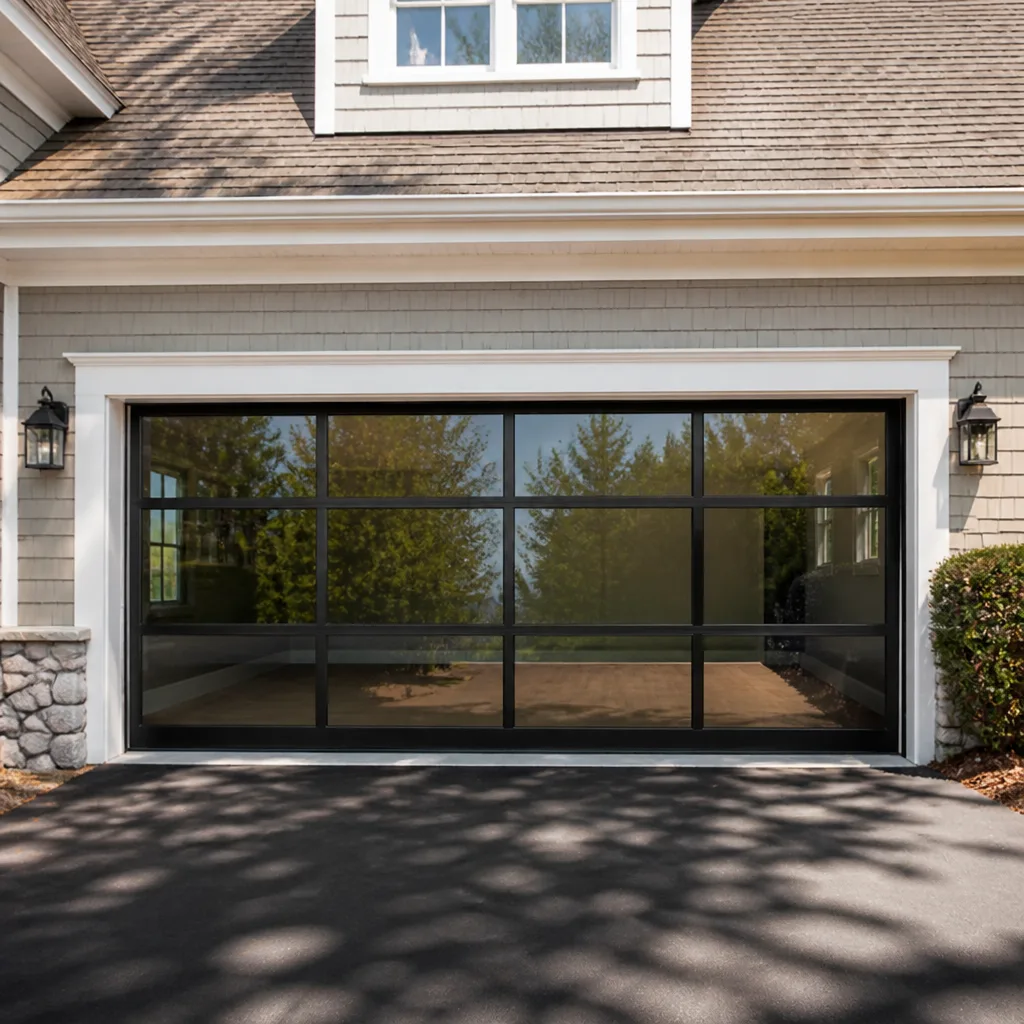 Full-view glass
 LiftMaster openers
 Chamberlain openers
Full 25-point door and opener safety check with every visit - springs, cables, rollers, tracks, and your LiftMaster or Chamberlain opener included
You get a price before we start. It does not change when the pro arrives.
Get your free estimateGarage Door Repair Maintenance Schedule: What to Do and When
Most garage door advice you’ll find online was written somewhere with four real seasons. Lubricate twice a year, check the springs once, call it done. That calendar misses what actually wears a door down in Southwest Florida. A torsion spring rated for 10,000 cycles was tested without our heat expansion and humidity in the mix, and those two forces quietly shorten its working life. So the schedule in this guide is built for Lehigh Acres conditions: heavy summer rain, near-constant humidity, and a door that runs every single day. You’ll get a month-by-month plan, a 90-second monthly check you can do yourself, and a clear line between what’s safe to handle and what isn’t.
Quick Answer
In Lehigh Acres, a garage door should be lubricated every three to four months rather than twice a year, inspected monthly with a 90-second self-check, and given a full professional tune-up once a year before hurricane season. Weatherstripping and hardware should be checked in May ahead of the rainy season, and springs should be examined by a trained technician, never adjusted yourself. The heat and humidity here compress the usual timeline, so treat this climate as its own maintenance zone.
Styles & brands we work with
- Raised-panel steel
- Carriage house
- Modern flush
- Full-view glass
- LiftMaster openers
- Chamberlain openers
Table of Contents
- Why a Florida Garage Door Ages Differently
- The 90-Second Monthly Self-Inspection
- The Month-by-Month Lehigh Acres Schedule
- The June Pre-Hurricane-Season Checklist
- Testing Spring Tension Without Touching the Spring
- Choosing the Right Lubricant for Florida Heat
- Weatherstripping and the Rainy Season
- What a Professional Tune-Up Actually Covers
Why a Florida Garage Door Ages Differently
A garage door is a machine made of steel, aluminum or wood, hundreds of small moving parts, and one or two springs under serious tension. In a mild, dry climate those parts last a predictable span. In Lehigh Acres they face a different set of pressures, and it helps to understand them before you build a schedule.
The first is heat. A west-facing metal door in afternoon sun gets genuinely hot to the touch, then cools overnight. That daily expansion and contraction works on every hinge, roller and fastener. Metal that grows and shrinks every day loosens screws and wears the moving surfaces faster than a door in a stable temperature. Rollers flatten. Hinges dry out. The track can shift slightly out of alignment over a season.
The second is humidity. Southwest Florida’s air holds moisture most of the year, and that moisture finds every bare metal surface. Hinges, springs, cables and the bottom brackets all sit in it. Rust doesn’t need a puddle; steady humid air is enough. Springs in particular are wound steel under load, and humidity plus load is a recipe for earlier failure than the cycle rating suggests. A spring rated at 10,000 cycles may not reach that number here because corrosion and heat do their own quiet work.
The third is use. A garage door in Lehigh Acres often runs several times a day, and every open-close is one full cycle off the spring’s total. More cycles plus harsher conditions means the calendar most guides print is too generous for our climate.
None of this means a door here is doomed. It means the schedule needs to be tighter, and the checks need to be done. That’s what the rest of this guide lays out. If a part does fail despite your best efforts, garage door repair is a phone call away, and the sooner you call, the less a small problem becomes a large one.
The 90-Second Monthly Self-Inspection
You can catch most developing problems in under two minutes a month, and you can do it without tools and without touching a spring. Do these three checks in this exact order, because each one sets up the next.
- Balance test. Close the door fully, then pull the manual release so the opener disengages. Lift the door by hand to about waist height and let go. A healthy door holds where you let it, or drifts only slightly. A door that slams down or shoots up is telling you the spring tension or balance is off. Do this before anything else, because a door out of balance will give you false readings on the other checks.
- Reversal test. Re-engage the opener and close the door. With the door closing, pass a roll of paper towels or a piece of cardboard through the beam at the bottom. The door should reverse the moment it senses the object. If it keeps going, the safety reversal is not working and that’s a call-a-technician item, not a wait-and-see item.
- Visual cable check. With the door closed and the opener off, look at the cables on both sides. They should be straight and evenly wound on their drums. Look for fraying, kinks, or a cable that looks slack. A frayed cable is a serious hazard and belongs in a professional’s hands.
Add a quick look at the door from the road while you’re out there. Does it sit level across the bottom? Do the panels line up? Are any hinges visibly loose or rusted? A minute of looking catches what a year of ignoring turns into a repair bill.
Run this routine in Lehigh Acres on the first of the month and it becomes habit. In our experience, the homeowners who do these three checks are the ones who catch balance problems before they become spring failures, and who spot a worn cable before it breaks.
The Month-by-Month Lehigh Acres Schedule
Here’s how a year of garage door care looks in our climate. The key dates are tied to Lehigh Acres conditions: the rainy season and the run-up to hurricane season drive the big checks, while the milder winter months suit the deeper maintenance. Treat this as a template you can follow year after year.
| Month | What to Do | Who |
|---|---|---|
| January | Deep clean the door, tighten hardware, brush out the tracks | DIY |
| February | Lubricate hinges, rollers, springs (light), and opener rail | DIY |
| March | Monthly self-check; annual professional tune-up if not done in fall | DIY + Pro |
| April | Monthly self-check; test weatherstripping seal | DIY |
| May | Weatherstripping inspection ahead of rains; clear the tracks | DIY |
| June | Pre-hurricane-season hardware and safety checklist | DIY + Pro |
| July | Lubricate (heat season cycle); monthly self-check | DIY |
| August | Monthly self-check; look for rust on springs and brackets | DIY |
| September | Post-storm inspection; check for track misalignment | DIY + Pro |
| October | Monthly self-check; lubricate (second heat-season cycle) | DIY |
| November | Annual professional tune-up; spring and cable inspection | Pro |
| December | Monthly self-check; review door and opener for the year | DIY |
Notice the lubrication cadence: February, July, October. That’s three times across the year, not the two a northern calendar would suggest. Spring and fall are when we get the most even temperatures here, which makes them the natural times for a professional inspection. The rainy months of June through September are when weatherstripping earns its keep, so it gets checked in May.
The schedule is a frame, not a cage. If a door runs more than most, or if it’s already showing wear, tighten the intervals. A door with an opener that’s getting noisy or a bottom seal that’s already cracked needs a professional look sooner than the calendar says. A tune-up is a free estimate away, so there’s no reason to wait for a breakdown. The Lehigh Acres Garage Door Repair Co team handles these checks and can tell you exactly where a door stands.
The June Pre-Hurricane-Season Checklist
Hurricane season here runs from June through November, and a garage door is one of the most vulnerable openings on a home. A garage door is a large, flat surface that becomes a pressure point when wind bears down on it, and a door that fails under load can let wind and water into the whole house. That’s why June is the month for a specific set of hardware checks, before the storms arrive.
Here’s what a pre-season check covers:
- Every hinge and bracket. Tighten what’s loose. A fastener that’s backing out now will fail under storm pressure. Replace any hinge with visible rust.
- Rollers. Worn or cracked rollers let the door wobble in its tracks. That movement becomes a real problem when wind loads the panels.
- Track alignment. A door that’s off its track at all needs correcting before storm season, not after.
- Bottom seal and perimeter weatherstripping. A tight seal doesn’t just keep rain out; it helps the door resist wind entry at its edges.
- Reinforcement for a door without it. If your door wasn’t built for high wind, a professional can tell you whether it can be reinforced. That’s a job for a trained technician, not a weekend project.
- Opener safety reversal. A door that won’t reverse is a hazard every time it closes, storms or not.
None of this is a substitute for a full assessment by someone who understands how a door behaves under load. What it is: a clear list you can walk through each June so nothing is forgotten. If anything on this list looks worn, loose or misaligned, book a professional inspection. In Lehigh Acres, getting that done in June means you’re ready well before the peak of the season.
Testing Spring Tension Without Touching the Spring
Springs are the most dangerous component on any garage door. They’re under heavy tension, and a spring or cable that fails while someone is near it can cause serious injury. We want to be direct about this: never adjust, unwind, or attempt to remove a torsion or extension spring yourself. That work belongs to a technician with the right tools and training. The good news is you don’t need to touch a spring to know whether it’s healthy. The door itself tells you.
Here’s how to read the signals safely:
- The balance clue. Close the door, pull the manual release, and lift the door to waist height. If it feels heavy to lift, or drifts down on its own, the spring has lost tension. If a spring has broken outright, the door will feel extremely heavy and usually won’t stay up at all.
- The open-position clue. With the door open about halfway, does it hold? A door that sags or won’t stay put is a balance problem, and balance is a spring problem.
- The look clue. With the door closed and the opener off, look up at the torsion bar above the door (or at extension springs along the sides). Look for a visible gap in a coil, a spring that’s stretched out of shape, or heavy rust. A gap in a torsion spring usually means it has snapped. Look from a safe distance; never reach in to test it by hand.
- The sound clue. A loud bang from the garage, often followed by the door refusing to lift, is the classic sign a spring has broken. Don’t try to force the door up if this happens.
When any of these indicate a problem, the fix is professional spring work. Our team treats garage door spring repair as its own specialty because it carries real risk and deserves real expertise. A matched pair is usually replaced together, since springs wear at the same rate and a single replacement usually means the other is close behind. Our technicians bring up to 12 years of experience to that work, and every job is done with the door properly secured before anything is touched.
Choosing the Right Lubricant for Florida Heat
The wrong lubricant can do more harm than none at all, and the wrong one for Lehigh Acres is the most common one in the garage. Standard WD-40, the spray can that lives on a shelf in a lot of homes, is a light solvent, not a lasting lubricant. It’ll quiet a squeak for a day or two, then evaporate and leave the part dryer than before. In our heat it disappears even faster, and it can attract dust that gums up the works.
What holds up in Florida heat and humidity is a silicone-based lubricant, or a purpose-made garage door lubricant labeled for hinges, rollers and tracks. Here’s how to choose and use it:
- Use silicone spray or a dedicated garage door lube on hinges, rollers, the torsion bar bearings, and the opener rail. These products don’t collect grit and they stay put through heat cycles.
- Skip grease and oil on the tracks. Tracks are meant to be clean and dry. Grease on a track catches dust and turns into a sticky paste that slows the door.
- Wipe before you spray. A quick cloth pass removes old product and grit so the new lubricant reaches metal.
- Lubricate springs lightly and carefully. A technician can lubricate a spring as part of a service visit. We don’t recommend homeowners reach near a spring to do it.
- Lubricate every three to four months here, because heat and humidity dry out moving parts faster than a temperate climate would.
The payoff of the right product is real: quieter operation, less roller wear, and a door that moves freely. It’s one of the cheapest maintenance steps you can take, and it’s oil change for a garage door in our climate.
Weatherstripping and the Rainy Season
Weatherstripping is the rubber or vinyl strip along the bottom of the door and around the frame. It’s the door’s umbrella, and in Lehigh Acres it does serious work from June through September. This is why we tie weatherstripping checks to the rainy season instead of an arbitrary date on a calendar. The right time to inspect it is May, before the rain arrives, and again after the wet season to see how it held up.
What to look for:
- Bottom seal: flatten it with a press of your thumb. A healthy seal springs back; a worn one stays flat, cracks, or leaves gaps when the door is closed. Look along the whole bottom edge for daylight showing through.
- Perimeter stripping: run a hand along the frame stripping. It should sit against the door with light pressure. Look for tears, gaps at corners, and strips that have pulled loose.
- Water test: after a heavy rain, check the garage floor along the door for dampness. A wet strip means the seal is failing even if it looks okay.
Weatherstripping does more than keep rain out. It blocks the humid air that corrodes springs, hinges and cables, and it keeps out the insects and small pests that find their way into a garage through a gap. A tight seal is maintenance, not cosmetics.
Replacing weatherstripping is a manageable DIY job for a bottom seal, but perimeter stripping and the door’s frame take some care to seat correctly. If the existing stripping is older or the door isn’t sealing evenly, a professional can fit it properly. That’s a good time to have the opener and door checked at the same time. If the opener itself is acting up, our garage door opener repair service covers the brands you’re most likely to have on your door.
What a Professional Tune-Up Actually Covers
A yearly professional tune-up is the backbone of the schedule. It catches what the monthly self-check can’t safely reach, and it corrects small issues before they become repairs. Here’s what a real tune-up should cover, so you know what you’re paying for.
- Full balance and travel test to confirm the door runs evenly and the opener’s limits are set correctly.
- Safety reversal and force adjustment on the opener, verified with a test object.
- Spring inspection and tension check: a trained technician can assess torsion and extension springs, identify wear, and confirm the spring is carrying the door’s weight correctly.
- Cable and drum inspection for fraying, kinks and uneven winding.
- Hinge, roller and bracket inspection, with tightening and replacement of worn parts as needed.
- Track alignment and cleaning, so the door rolls true and the tracks stay free of grit.
- Lubrication of the moving parts with the right product for the climate.
- Weatherstripping and seal review, with replacement where it’s worn.
A tune-up on a door from Clopay, Amarr or Wayne Dalton looks a little different than one from another maker, because each brand has its own hardware and its own quirks. That’s why working across brands matters. We’re factory-familiar with LiftMaster, Chamberlain, Genie, Clopay, Amarr, Wayne Dalton, Craftsman and Raynor, so technicians work on the equipment already on your home, without pushing you to swap brands. That same expertise carries through to opener work: whether your unit is a LiftMaster or a Chamberlain, a Genie or a Craftsman, the tune-up covers it. And when a door is beyond tuning up, a full Lehigh Acres Garage Door Repair Co installation service means you never have to switch companies to get a new door.
Common Mistakes to Avoid
- Applying standard WD-40 and calling it done. It’s a solvent that quiets a squeak briefly, then evaporates. Use a silicone-based or dedicated garage door lubricant, and reapply every three to four months in our climate.
- Skipping lubrication because the door “seems fine.” A quiet door is often a well-maintained door; a door that only gets attention when it starts to squeal is already wearing out its moving parts.
- Touching or adjusting the springs. This is the single most dangerous mistake on this list. Springs are under heavy tension and belong to a trained technician, every time.
- Greasing the tracks. Many Lehigh Acres homeowners do this thinking it helps. It attracts grit and slows the door. Keep tracks clean and dry.
- Letting the rainy season arrive with worn weatherstripping. A failing seal lets in the moisture that corrodes hardware. Check in May, before the rain, not after.
- Ignoring a door that drifts or feels heavy. That’s a balance problem, which is usually a spring problem. Forcing the opener to lift a heavy door wears it out and stresses the springs further.
- Waiting for hurricane season to check the door. The hardware that holds a door together should be verified in June, not when a storm is already forecast. Give yourself a full season of margin.
See the difference
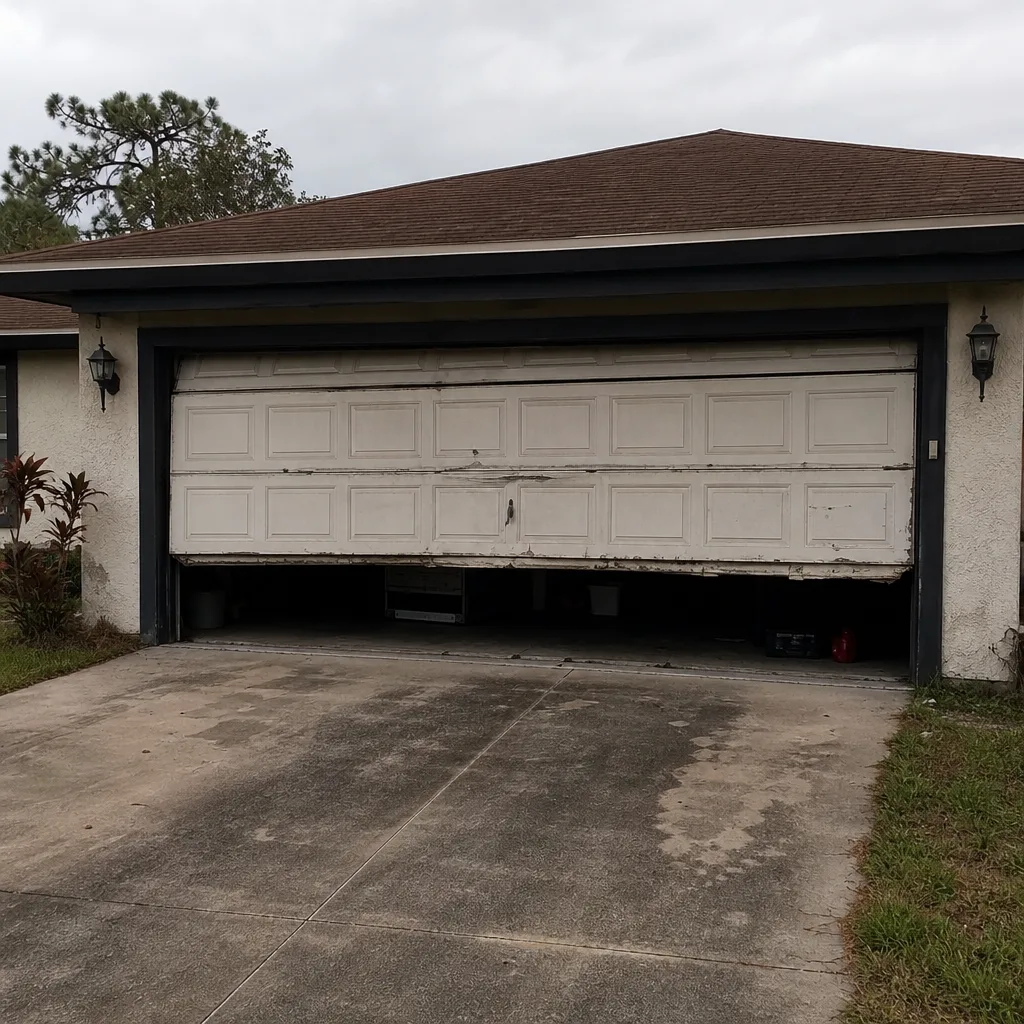 Before
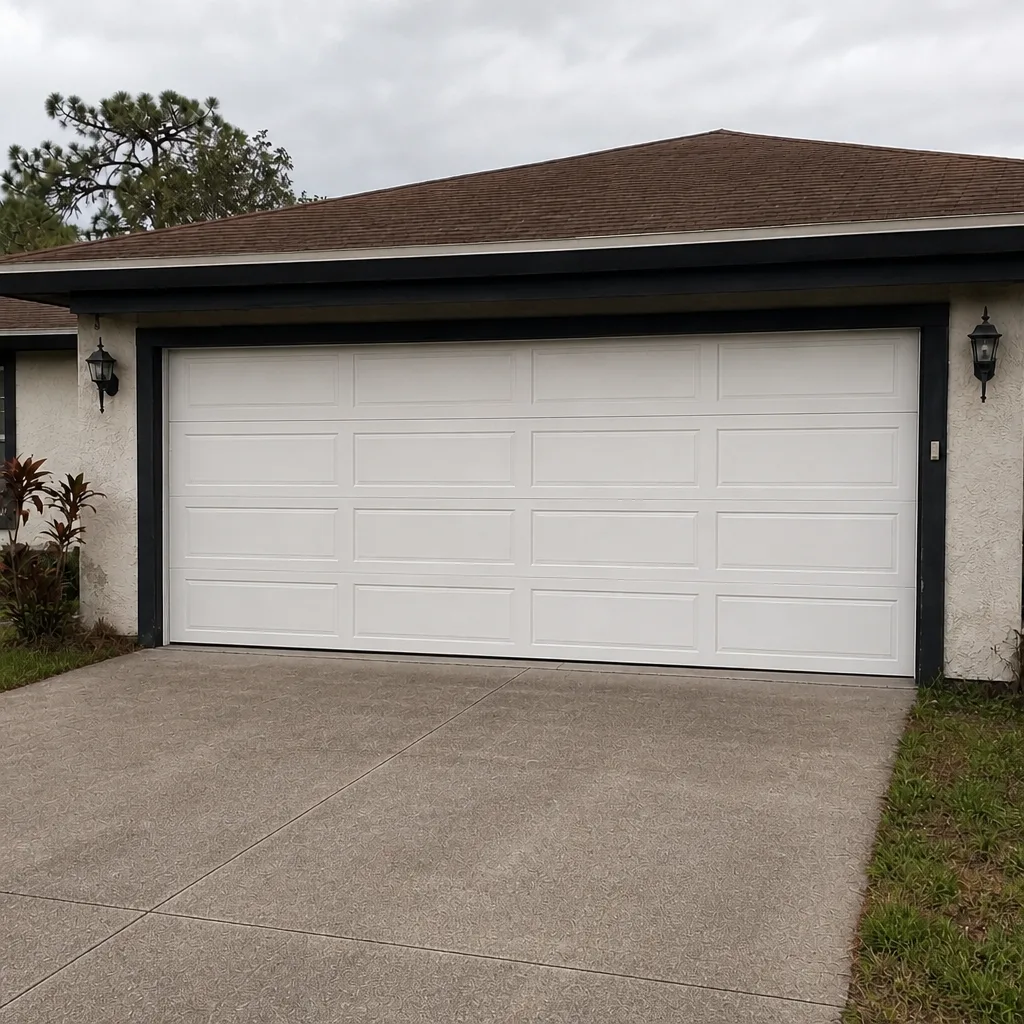 After
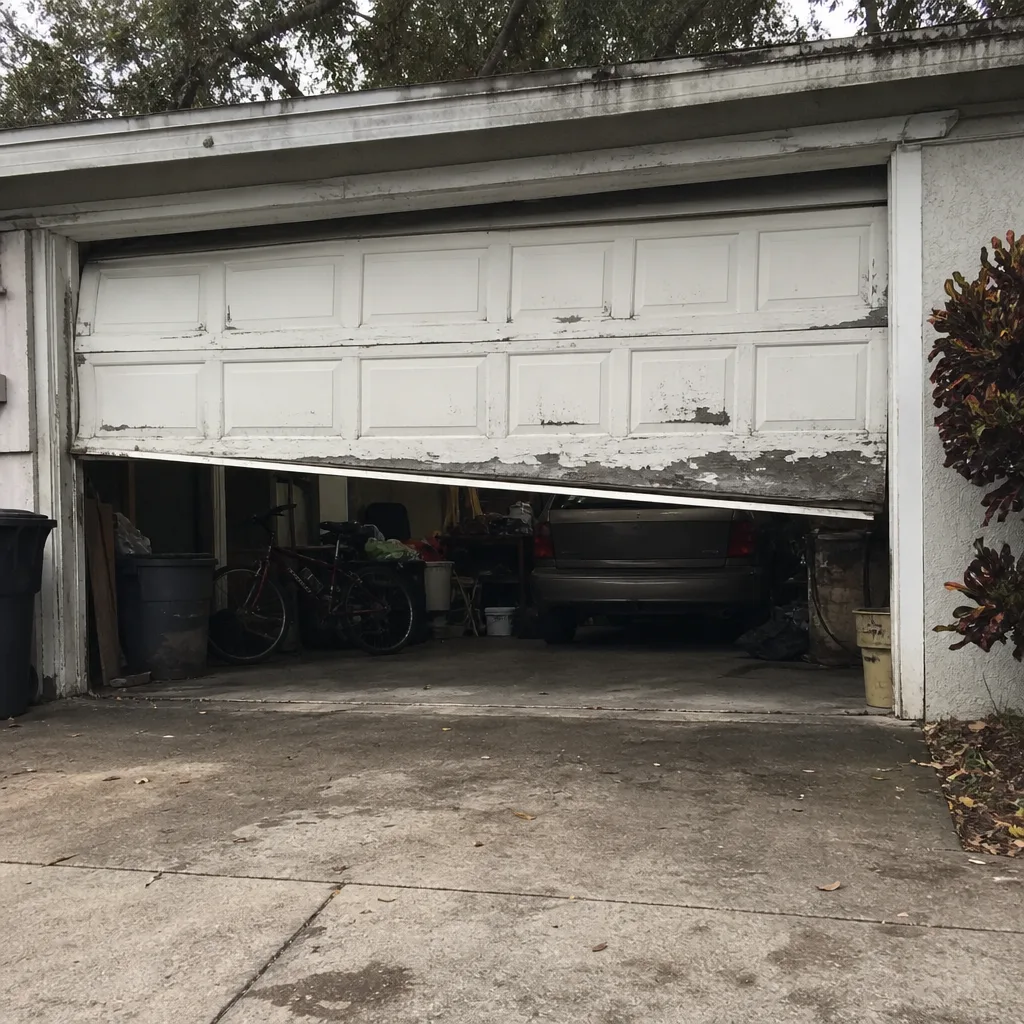 Before
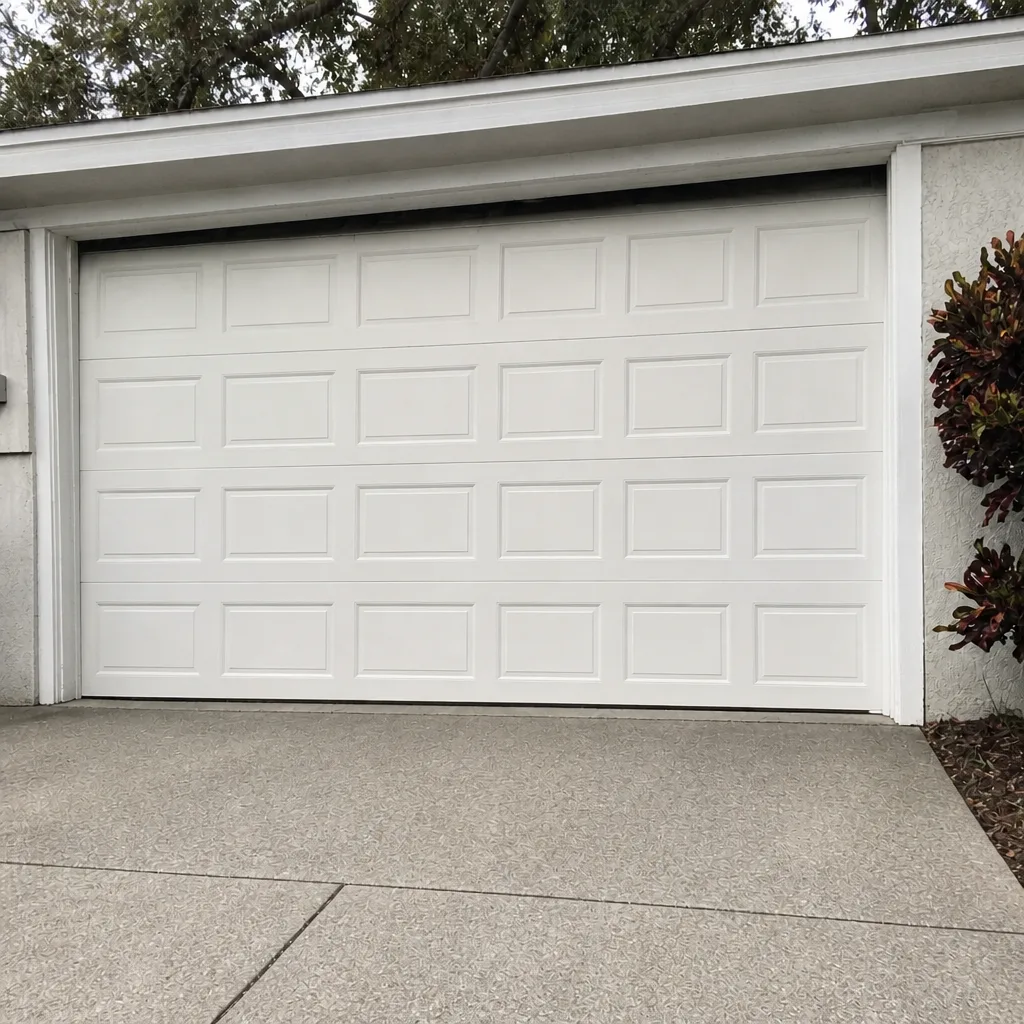 After
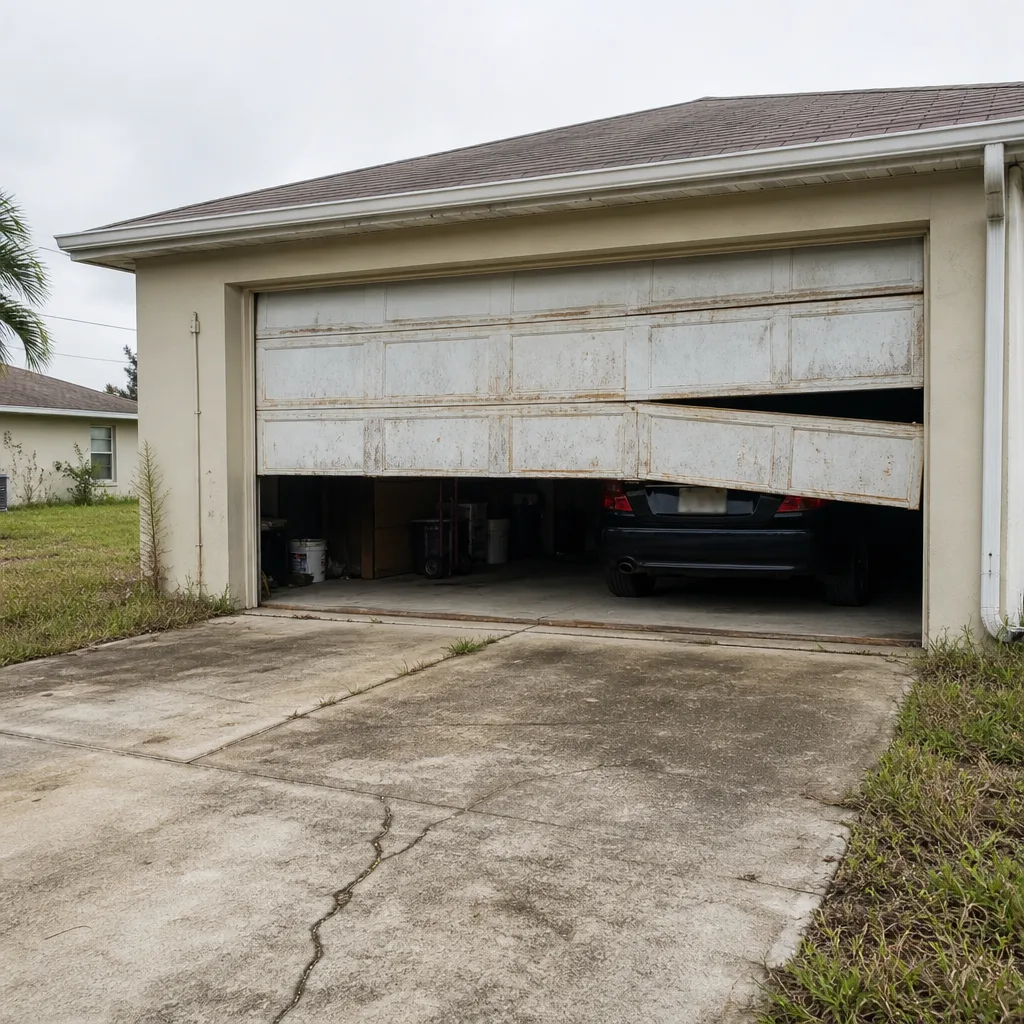 Before
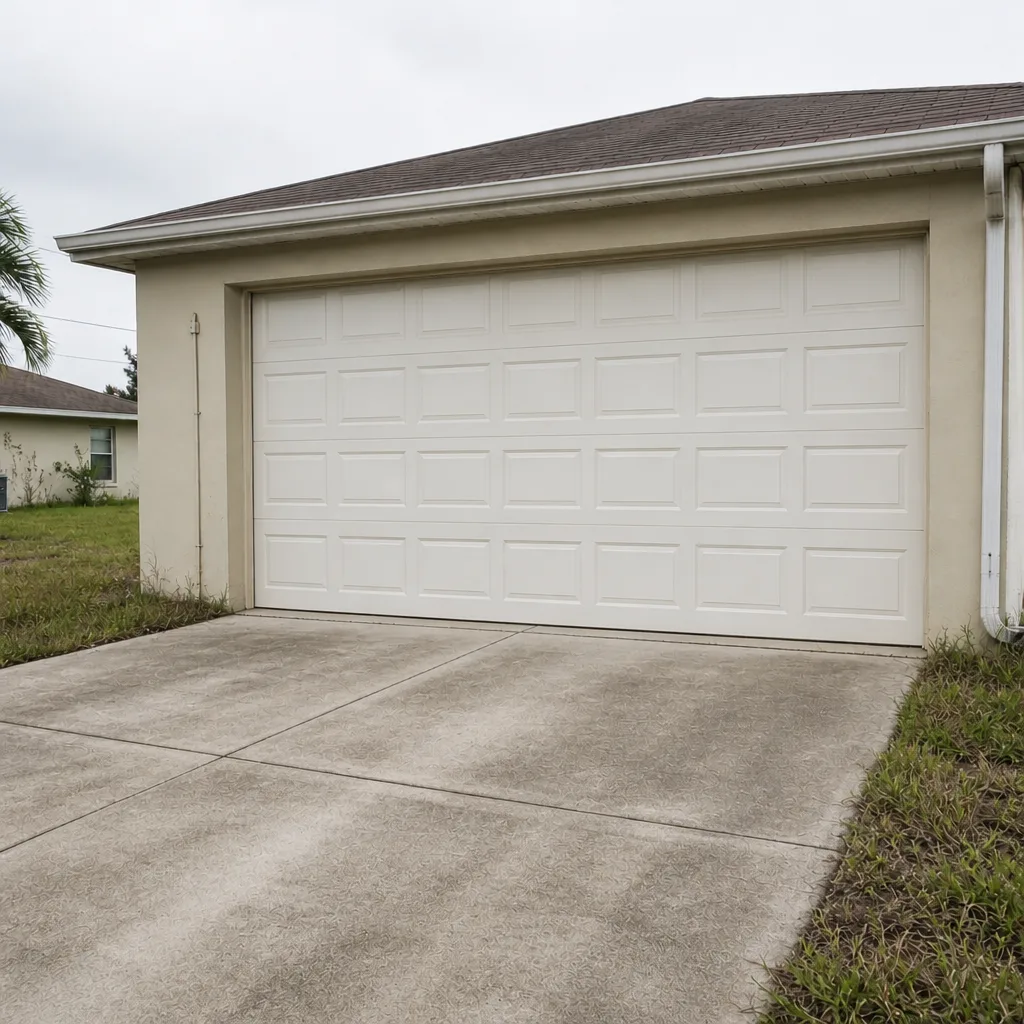 After
When to Call a Professional
Some jobs are yours to do, and some aren’t. Call a professional when a spring looks broken, stretched or rusty; when the door feels heavy to lift or won’t hold its position; when a cable is frayed or slack; when the door is off its track or the panels are misaligned; when the opener won’t reverse on command; or when anything on the door is making a sound it didn’t make last month. Never force a door that’s stuck, and never reach near a spring to test it by hand. For these, Lehigh Acres Garage Door Repair Co offers free estimates in Lehigh Acres, and the price is quoted and agreed before any work starts. Call (855) 923-3538. Emergency garage door service is a named offering too, so a door that leaves your home unsecured or traps your car doesn’t have to wait for a regular appointment.
Frequently Asked Questions
Every three to four months, rather than the twice-a-year schedule most national guides recommend. Our heat and humidity dry out moving parts faster than a temperate climate, so you’ll want to lubricate more often here: roughly February, July and October. Use a silicone-based or dedicated garage door lubricant, not standard WD-40. Call (855) 923-3538 if you’d like a professional to handle the springs and opener rail safely.
No, springs should always be handled by a trained technician. Torsion and extension springs are under heavy tension, and a spring or cable that releases unexpectedly can cause serious injury. You can safely check for trouble by doing the balance test and a visual inspection from a distance, but the repair itself is professional work. That’s why we treat spring repair as its own specialty. Call (855) 923-3538 for a free spring repair estimate.
A heavy door almost always means a spring has lost tension or broken. When you pull the manual release and the door doesn’t hold itself at waist height, the spring isn’t carrying the door’s weight anymore. Don’t force the opener to lift it. Have a technician check the springs. Call (855) 923-3538 and we’ll get a professional out to assess it and quote the work before anything starts.
In June, check and tighten every hinge and bracket, inspect rollers and track alignment, verify the bottom seal and perimeter weatherstripping, and confirm the opener’s safety reversal works. Also have a professional look at the door’s wind readiness if it wasn’t built for high wind. These checks matter because a garage door is a pressure point during a storm. Call (855) 923-3538 if you’d like a professional inspection before the season.
No, standard WD-40 is the wrong choice for garage door hardware. It’s a light solvent that quiets a squeak briefly but doesn’t lubricate for long, and it evaporates quickly in Florida heat. Use a silicone-based spray or a purpose-made garage door lubricant on hinges, rollers and bearings instead. Keep grease off the tracks entirely. Call (855) 923-3538 if your door is noisy and you’d like a professional to diagnose the cause.
A door with a broken spring, a worn cable or a failing opener usually needs a repair, not a replacement, and a professional can confirm that. A door with widespread rust, warped panels or repeated failures may be better off replaced. Either way, you get a clear answer and a written estimate before work starts. Call (855) 923-3538 to talk through your door with a technician.
The Bottom Line
A Lehigh Acres garage door needs a tighter maintenance rhythm than the standard national schedule. Do the 90-second self-check monthly: balance, reversal, cable. Lubricate every three to four months with the right product. Inspect weatherstripping in May before the rains. Work through the June pre-hurricane checklist. Book a professional tune-up once a year, and leave the springs to the technician every time. Our technicians have up to 12 years of experience, and we work across the brands already on your home. Follow this schedule and your door should stay in service through the heat, the humidity and the storms. When something does go wrong, one call handles it.
Call (855) 923-3538 for a free estimate in Lehigh Acres. Whether it’s a spring that’s let go, an opener that’s misbehaving, or a door you’re ready to replace, the price is quoted and agreed before any work begins.
Written by the team at Lehigh Acres Garage Door Repair Co.